Authorized network says X7 is small compared to rivals such as Cadillac Escalade and asks for larger model so as not to lose customers
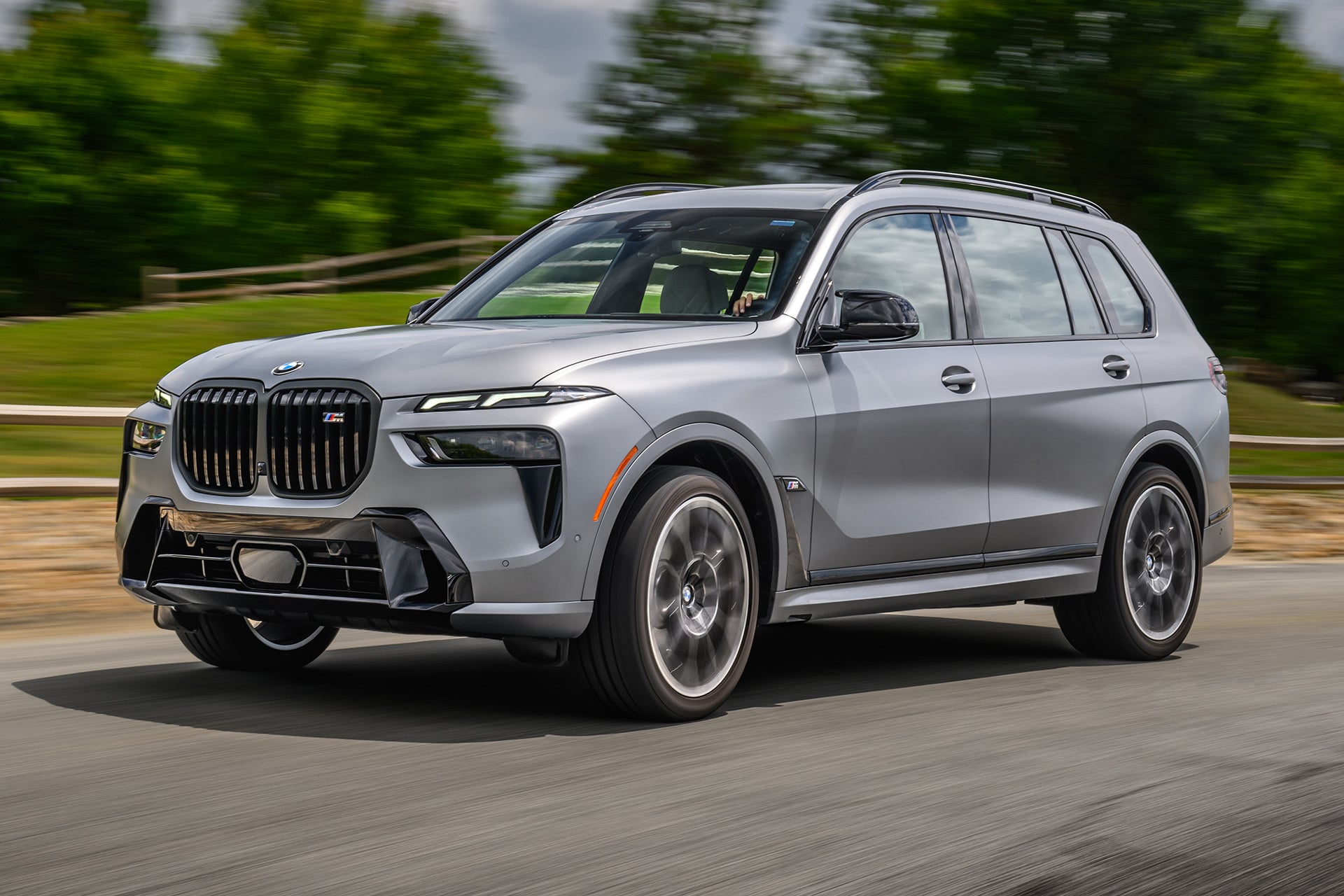
BMW dealers in the United States have started a pressure movement on the German automaker to create a new SUV, positioned above the current top-of-the-line X7. The order, formalized by the brand’s National Board of Dealers, aims to fill a competitive gap in the North American market: the absence of a direct rival to “extra-large” SUVs such as the Cadillac Escalade and Lincoln Navigator.
Although the X7 is technically classified as a large SUV, with its 5.18 meters in length, it is still significantly smaller than local competitors. The Cadillac Escalade ESV (elongated version), for example, reaches 5.76 meters, offering superior load capacity even with the third row of seats in use — a decisive factor for large families in the US.
SEE ALSO:
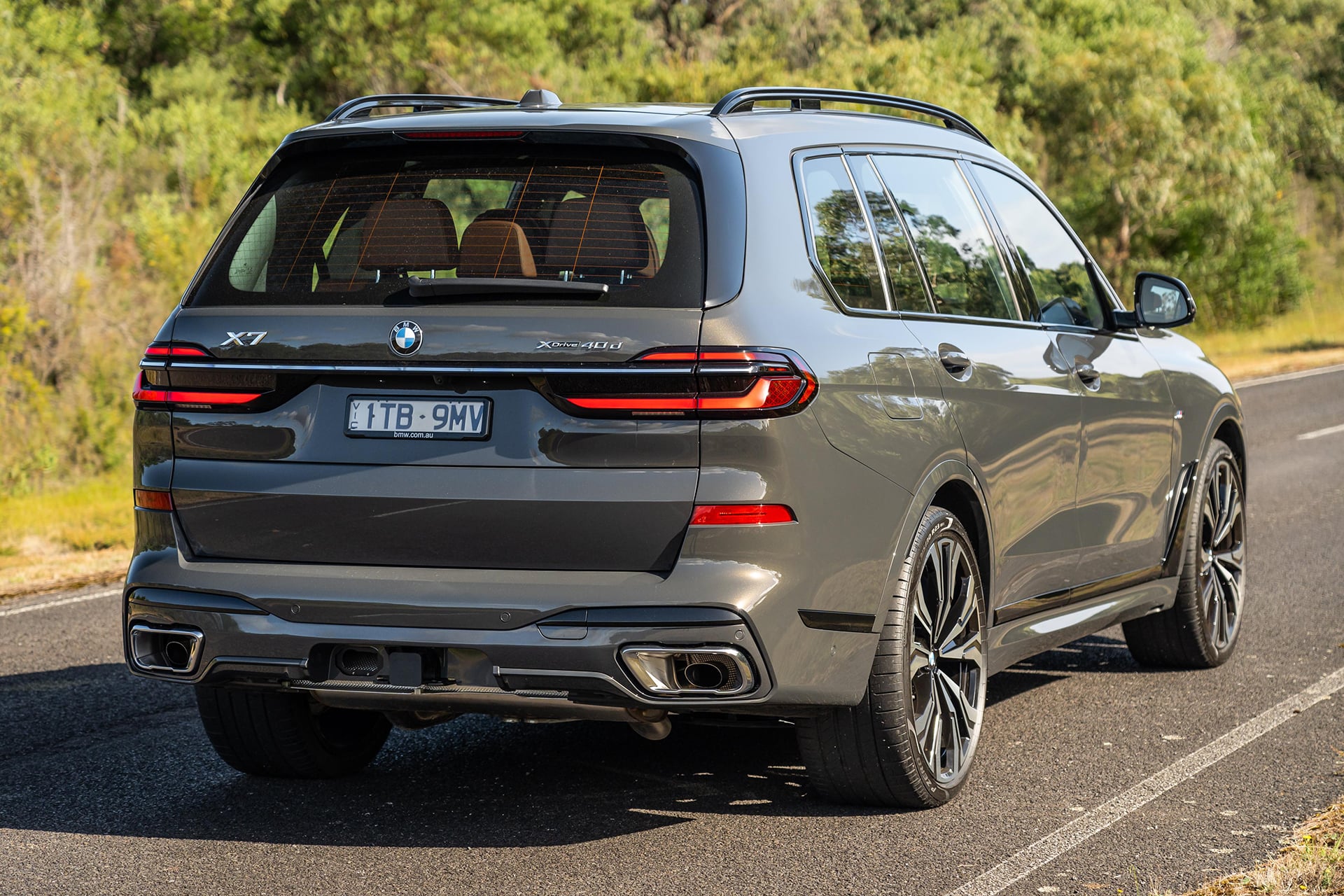
Kirk Cordill, president of BMW’s National Dealer Board, said in an interview that the network would be “very successful” with a larger, more robust three-row SUV. The idea, informally dubbed “X9”, would be to attract the consumer who today migrates to American brands (GM and Ford) or to Jeep (Grand Wagoneer) purely out of need for space.
The financial motivation is clear: the full-size luxury SUV segment is highly profitable. In 2025, Cadillac sold almost 50 units of the combustion Escalade, while Lincoln saw sales of the Navigator grow 42.8% after its restyling. In comparison, BMW sold 31,575 units of the X7 in the same period.
Despite the commercial appeal, enforcement faces barriers. Unlike GM and Ford, which use stringer chassis derived from pickup trucks to build their giant SUVs, BMW uses monocoque construction. Developing a unique platform for such a vehicle would require a billion-dollar investment, something the Munich board is cautiously considering after the underwhelming commercial performance of the controversial XM hybrid SUV.
So far, BMW has not officially confirmed the development of the model.



