Previously an unofficial BMW preparer, Alpina is now part of the group; integration was completed with the right to rebranding and new commercial plans
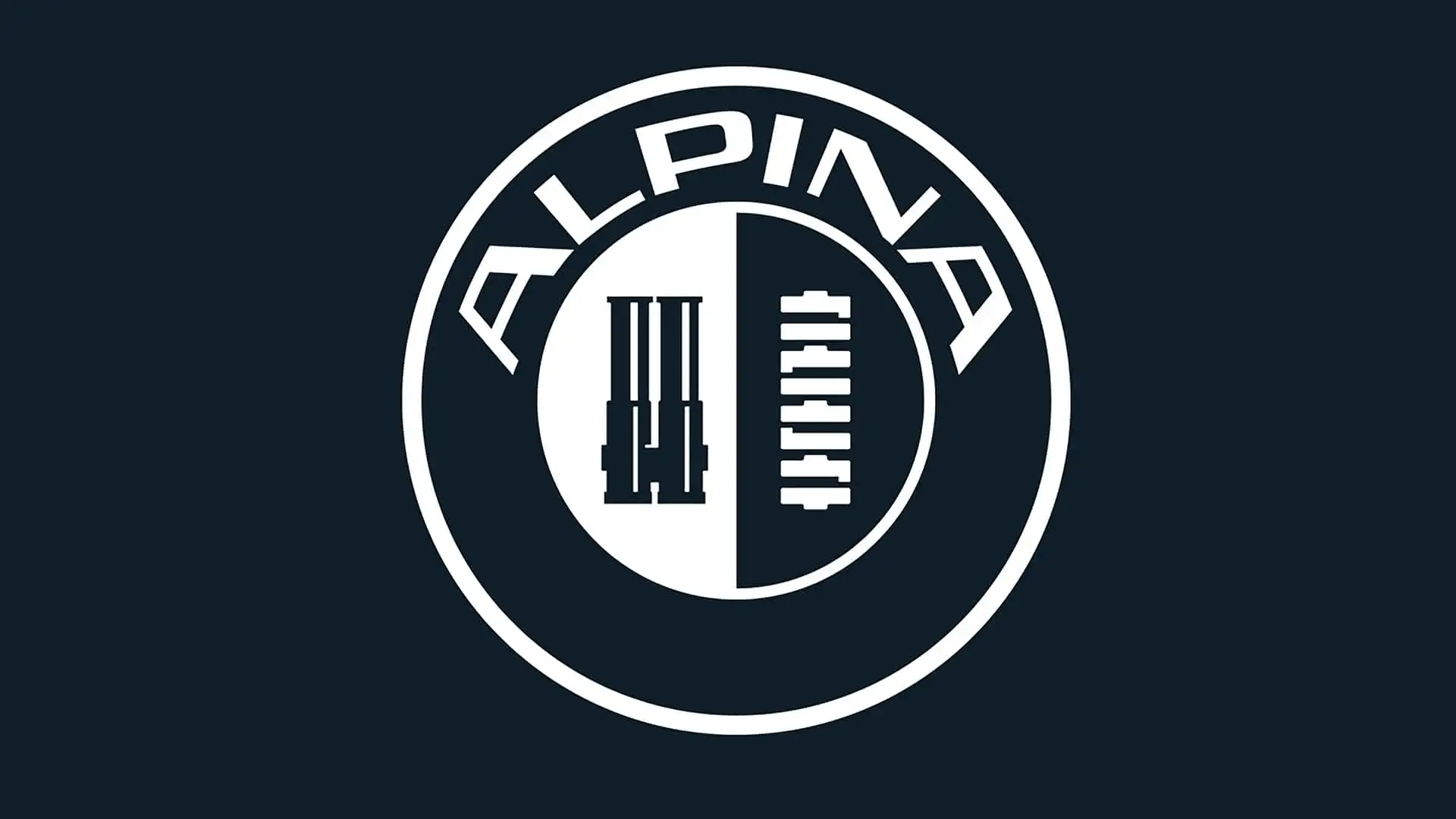
After a gradual transition, BMW made official the full integration of Alpina, whose commercial rights had already been acquired in 2022. The maneuver consolidates a new strategy within the German group: to bring in-house the company that specializes in creating more refined versions of the original BMWs. In this way, Alpina will serve as an intermediate luxury flagship, filling the existing market gap between BMW’s own and Rolls-Royce’s top models.
The new phase is marked, first, by a restructuring of the visual identity. Thus, the classic emblem has been redesigned from the perspective of digital minimalism: while preserving the technical symbols of the throttle body and crankshaft, the new logo abandons the traditional shield, the outer ring with the company’s name and the red and blue colors.
SEE ALSO:
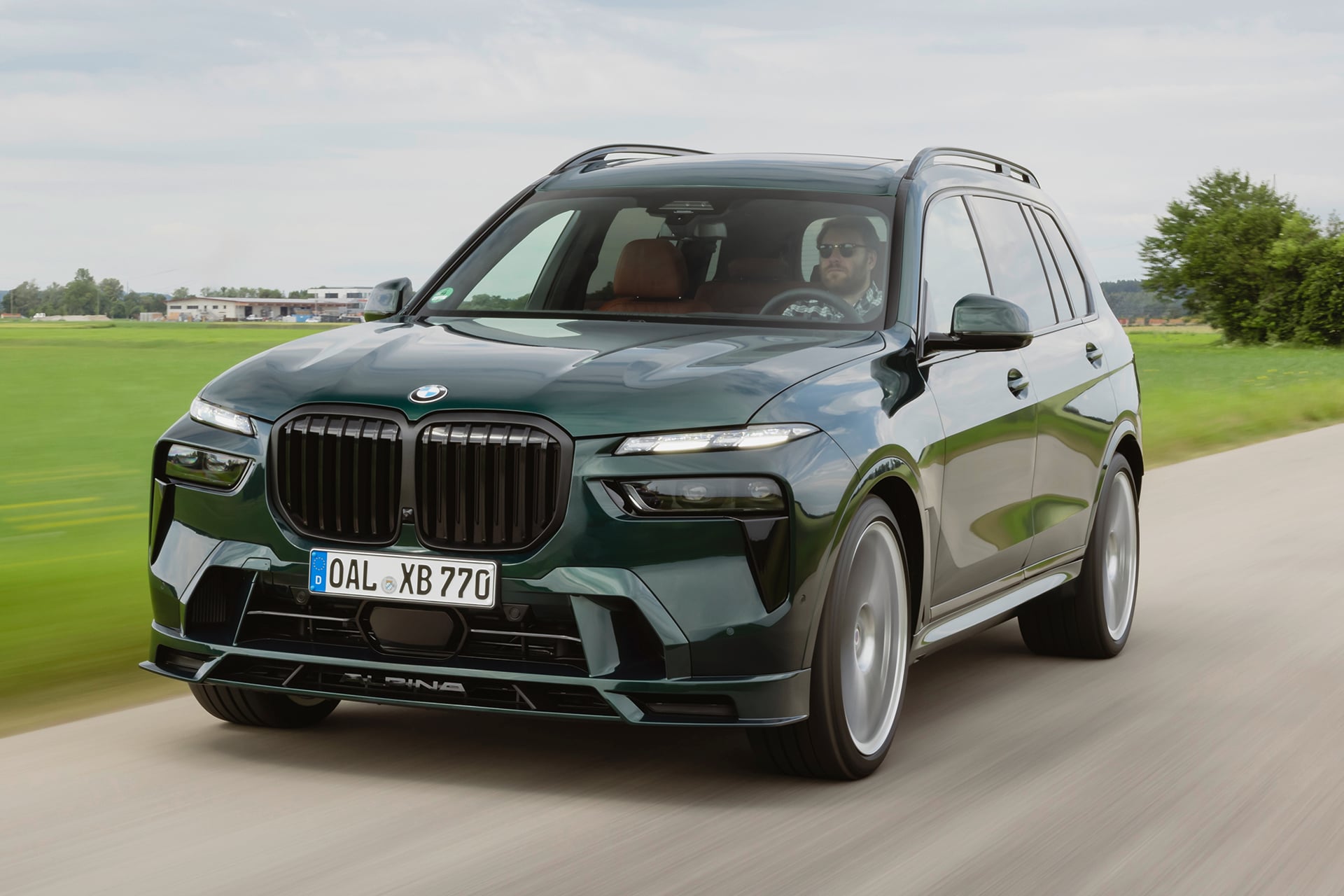
In addition to the logotype, the “new Alpina” has revised the official typography and updated its iconic 20-spoke wheels. The pieces now adopt a two-tone diamond finish, a direct and nostalgic reference to the original designs of the 1970s. Inside, the order is to raise the bar: future models will abandon BMW’s standard leather (Dakota or Vernasca) in favor of “superior quality” materials as standard, expanding customization options.
The market’s expectation is that the first fruit of this direct management will be launched later this year. The vehicle is expected to be a reinterpretation of the BMW 7 Series, but with important technical distinctions. Identified internally by the codename G72 — instead of the G70 of the conventional sedan — the model signals a dedicated engineering to offer more exclusivity than the old B7, consolidating Alpina no longer as a preparer, but as an automotive haute couture brand.



