Technical limit and lack of interest from major brands will force BMW to retire the clutch pedal in its next sports cars
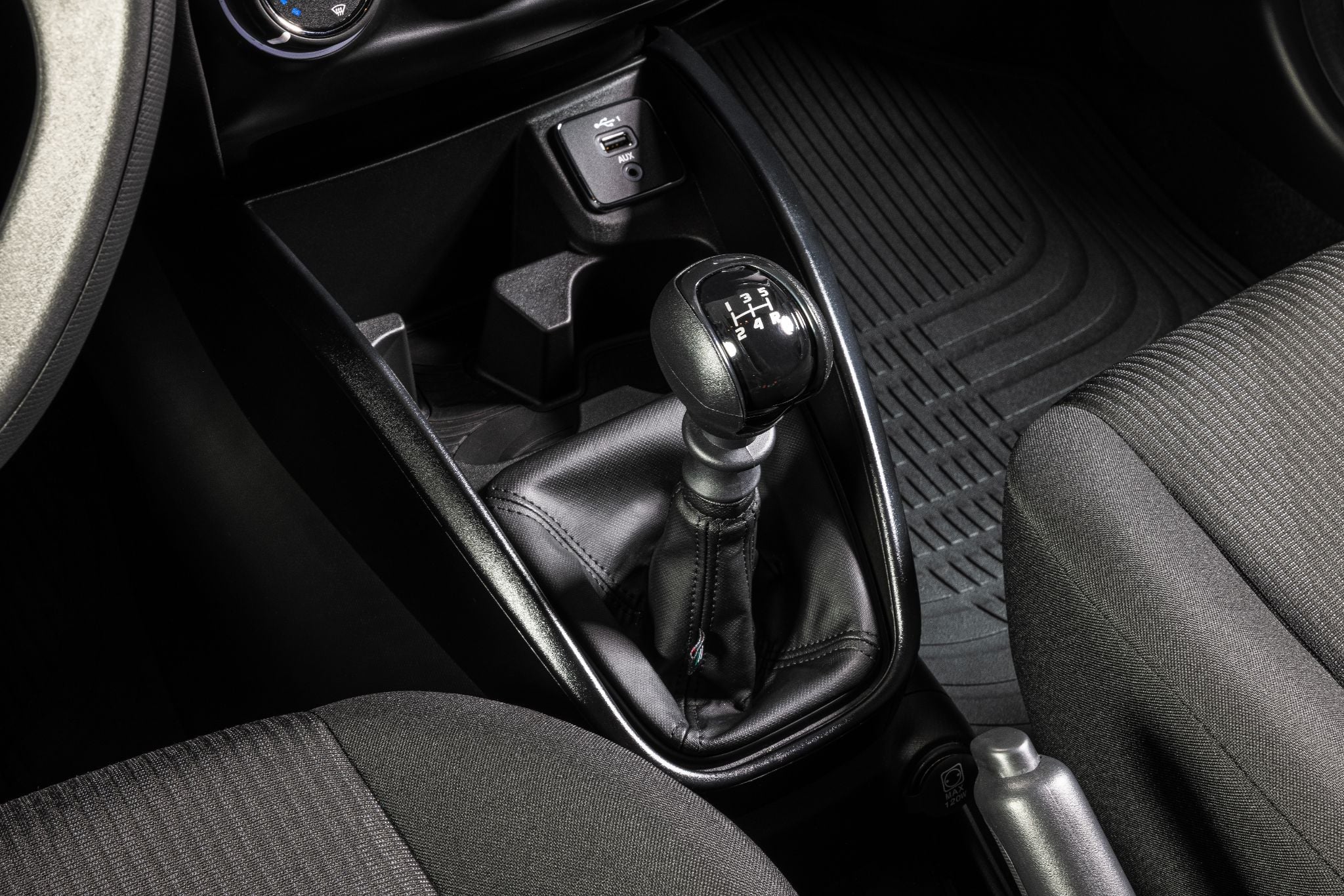
The end of the line for manual transmissions in BMW’s high-performance cars will not be dictated by a lack of purists willing to step on the clutch, but by an insurmountable engineering and market barrier. According to the head of the BMW M sports division, Frank van Meel, the manual transmission has reached its physical and logistical limit, which makes it unfeasible to apply it in the new generation of very high-power engines of the Bavarian brand.
SEE ALSO:
The major technical bottleneck is in the load capacity: the current manual gearbox used by the automaker supports a peak of only 56.0 kgfm of torque. This ceiling makes it absolutely incompatible with the brute force of recent launches, such as the new BMW M5, which dumps 102,0 kgfm on the wheels, or even the spicy CS versions of the M2, M3 and M4. In addition, strict European environmental standards weigh against it: modern automatic transmissions are more efficient in managing the engine and reducing consumption.
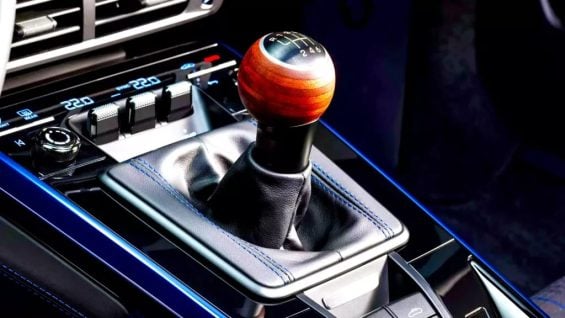
The situation is aggravated by the lack of interest in the global supply chain, led by giants such as ZF and Getrag. As major rivals — such as Audi and Mercedes-Benz — focused entirely on automatic luxury, the volume of orders for manual boxes plummeted. Developing a first-of-its-kind mechanical transmission, capable of tolerating the high torque unique to the M division, would be financially unfeasible without cost-sharing with other automakers.
Although the North American market has manual transmissions capable of handling massive torques, they deliver harsher shifts, typical of muscle cars. For BMW, this mechanical behavior breaks the standard of refinement required by its customers, ruining the balance between comfort and performance.
In this scenario, the act of changing gears on the arm is moving towards becoming an eccentricity restricted to ultra-exclusive hypercars, such as those of Pagani. For BMW fans, all that remains is to take advantage of the extra time: the current M2, M3 and M4 will retain the clutch pedal for a few more years, but their survival in the next decade is considered unlikely in the face of the advance of electrification.



