Understand the new rules approved for the installation of external supports and how the measure can change the routine of cyclists in cities
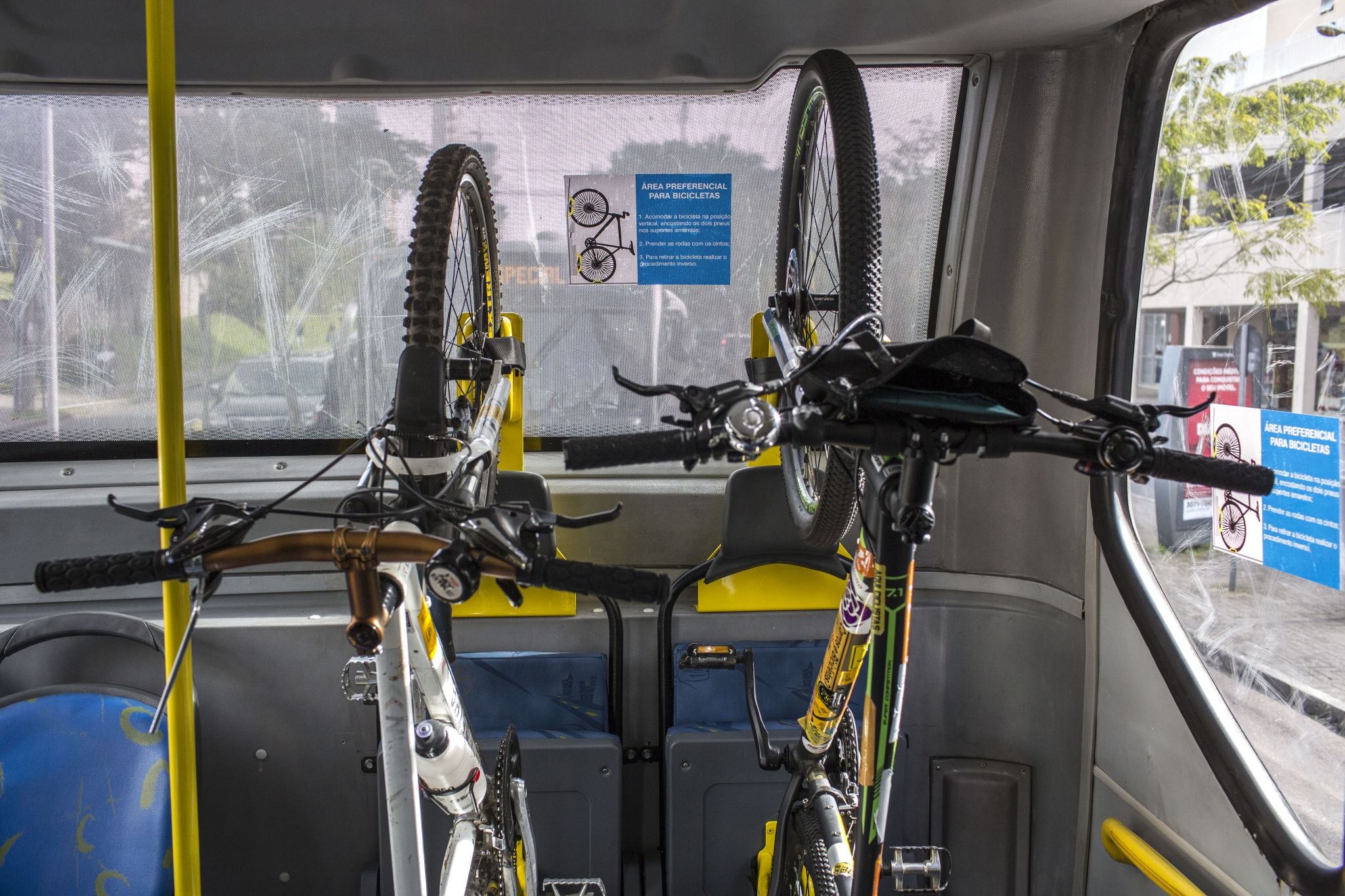
The Urban Development Commission of the Chamber of Deputies approved, last week, Bill No. 2783/19, which establishes guidelines for the installation of bicycle racks in collective public transport vehicles, such as buses and trains. The approved text is a substitute that changes the original proposal, transferring to the National Traffic Council (Contran) the responsibility for regulating the technical safety standards for the system.
The new version of the proposal, presented by Deputy Diego Andrade (PSD-MG), replaces the national obligation to install equipment with a decentralized management model. In practice, the measure grants autonomy to city halls and the Federal District to decide on the implementation of support, taking into account the geographical specificities and the routes of greatest demand in each municipality.
SEE ALSO:
According to the rapporteur, the imposition of a single rule for the entire Brazilian territory could generate unnecessary costs in regions where the integration between cyclists and public transport is not feasible or a priority. The central objective is to foster intermodality — the integration of different means of transport — as an alternative for sustainable mobility, without overloading municipal fleets with standardized requirements.
The original project, authored by Deputy Juninho do Pneu (União-RJ), provided that the installation would be mandatory in the entire national fleet. With the change to the optional and locally regulated character, it is expected that cities can optimize access to support on strategic routes.
The proposal now goes to the Constitution and Justice and Citizenship Commission (CCJ) for analysis in a conclusive manner. If approved without resources, the measure will not need to go through the Plenary, going directly to the Federal Senate for review before going to presidential sanction.



