'Family Travel' exhibition at CARDE brings together icons such as Simca Jangada and Caravan SS to narrate the evolution of family transport until the rise of SUVs
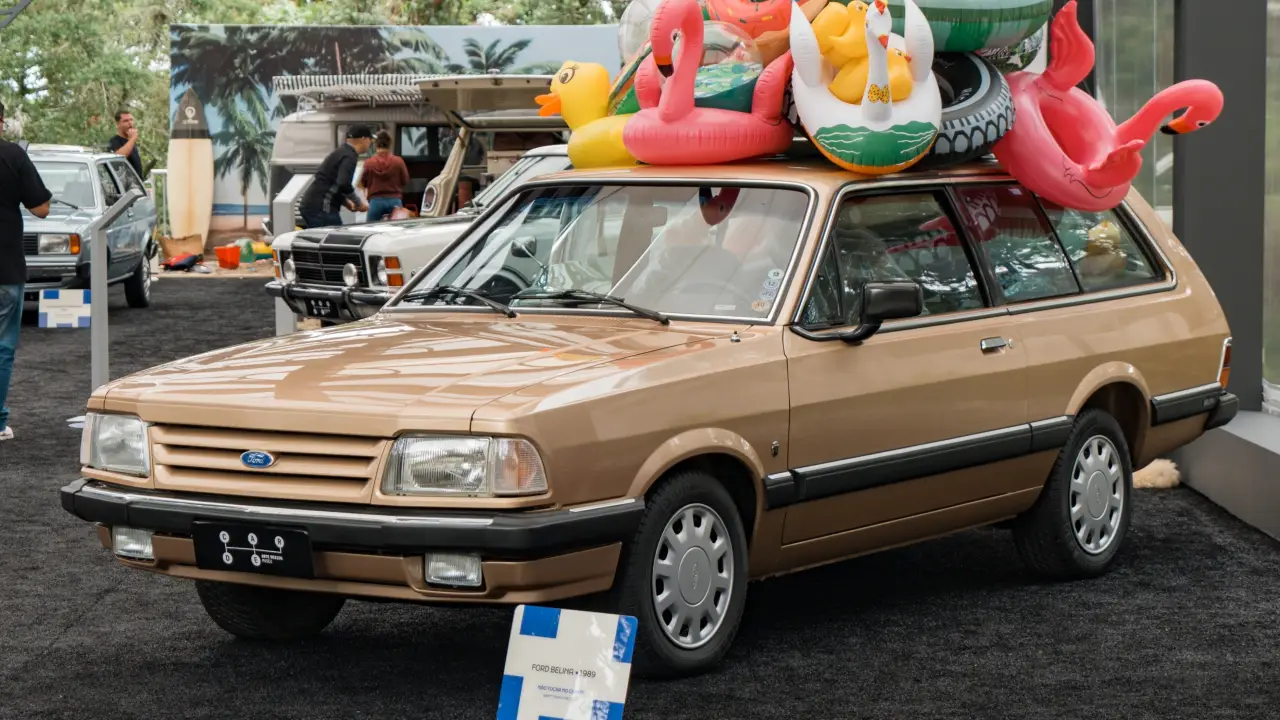
Long before SUVs became ubiquitous on Brazilian streets, the position of official vehicle for family trips belonged to another segment, now practically extinct in dealerships: station wagons. To rescue this memory, the CARDE (Car, Art, Design and Education) museum, in Campos do Jordão (SP), opens the 2026 season with the exhibition “Family Travel”.
On display until February 23, the exhibition brings together 12 examples that trace the timeline of family transport between the 1950s and 1990s. The curatorship proposes a cut that goes from the opulence of North American ‘bathtubs’ to the functionality of the national models that democratized road tourism in the country.
SEE ALSO:

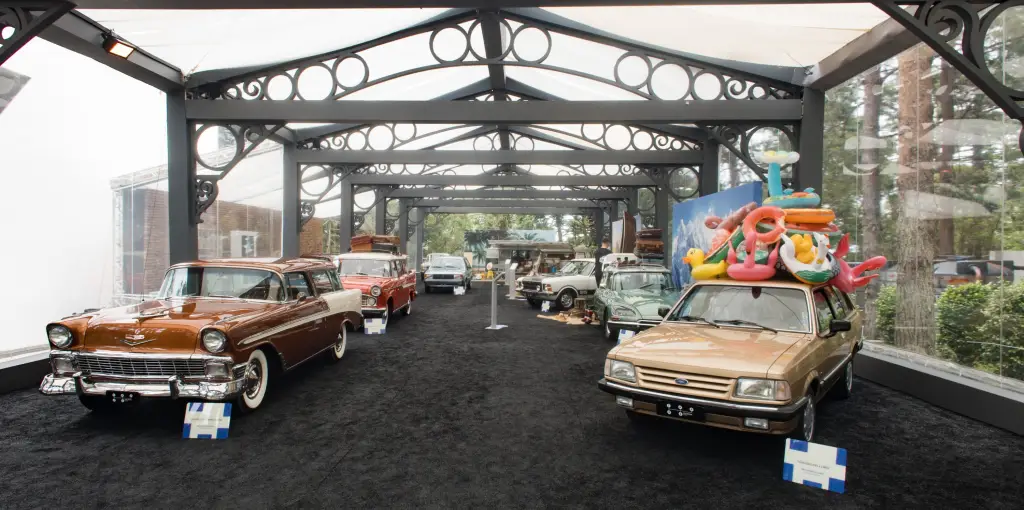
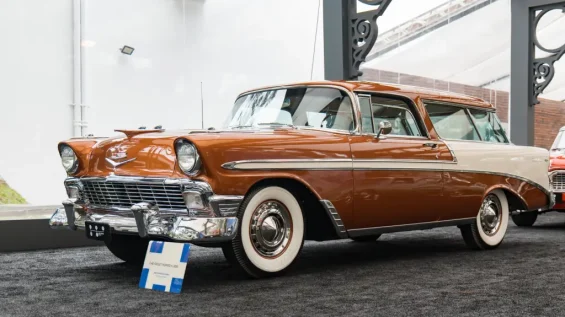
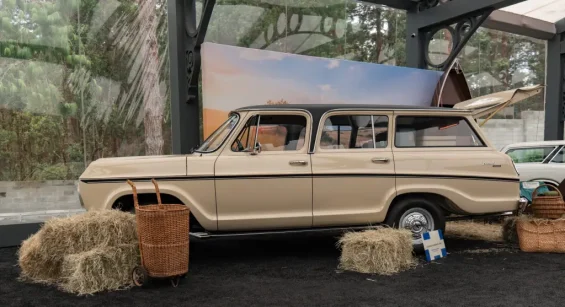
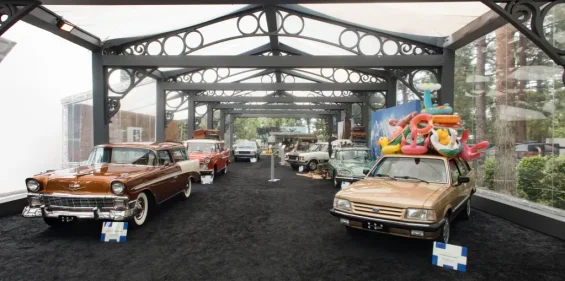
Among the historical highlights is the 1956 Chevrolet Nomad, a design icon of Detroit’s “golden age,” and the rare Simca Jangada. Derived from the Chambord sedan, the Jangada is a landmark of the local industry and evokes the romanticism of the first long-distance trips on Brazilian roads still under construction.
The exhibition also explores performance, dispelling the image that “family car” needs to be monotonous. The biggest example is the 1978 Chevrolet Caravan SS: equipped with the Opal’s 4.1-liter six-cylinder engine, it represents the pinnacle of national sports station wagons.
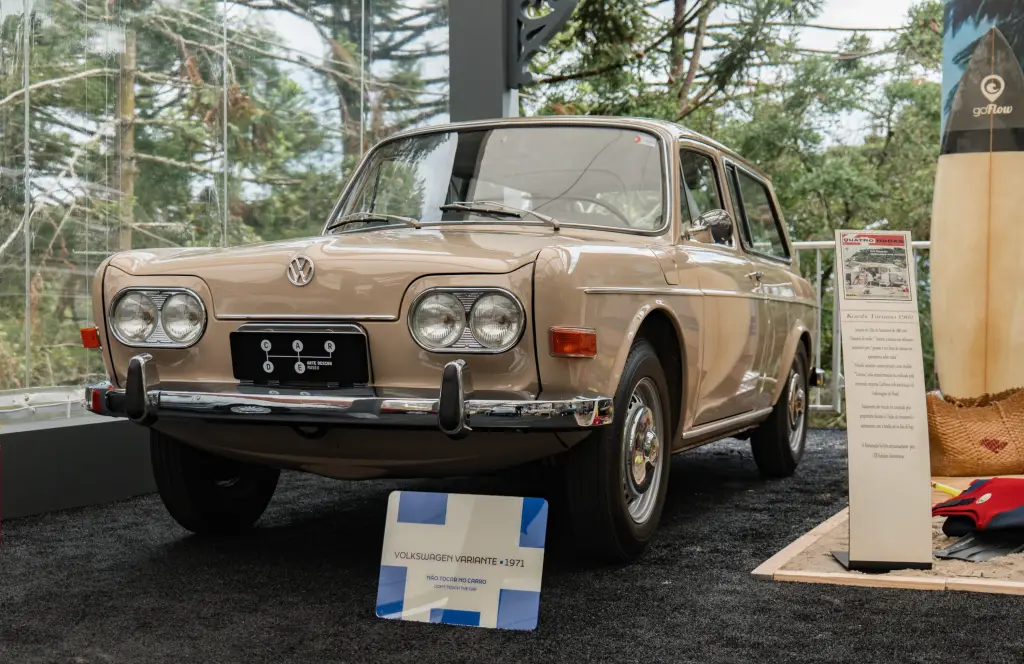
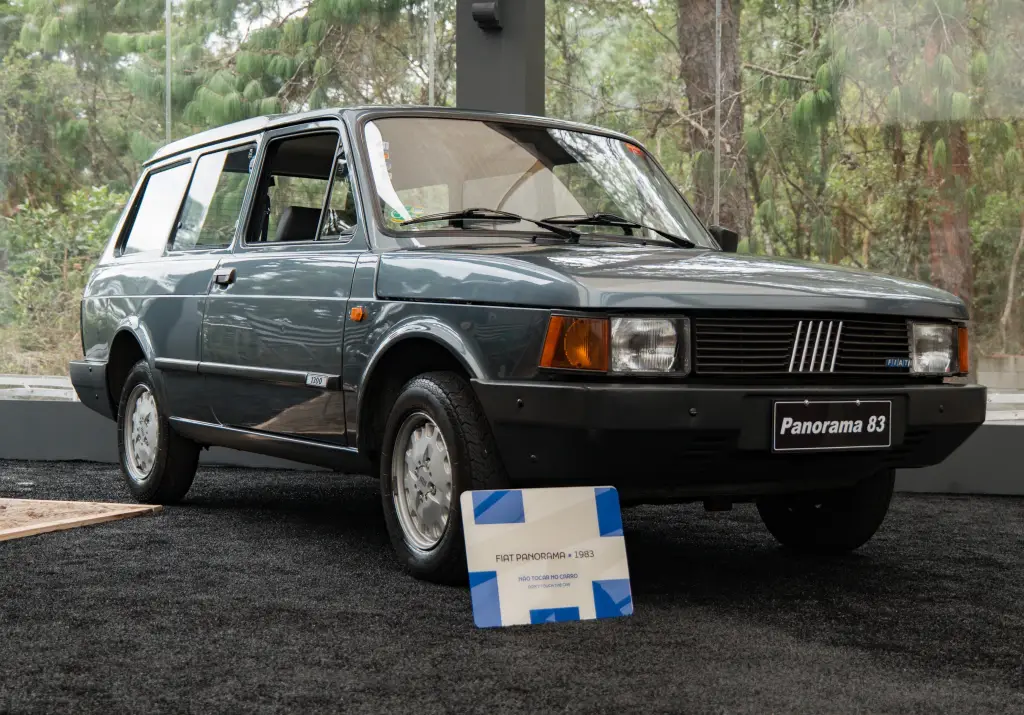
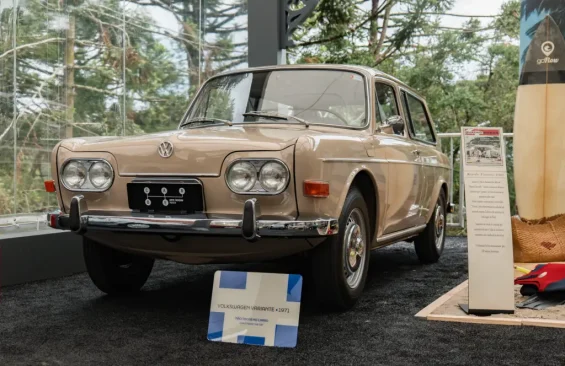
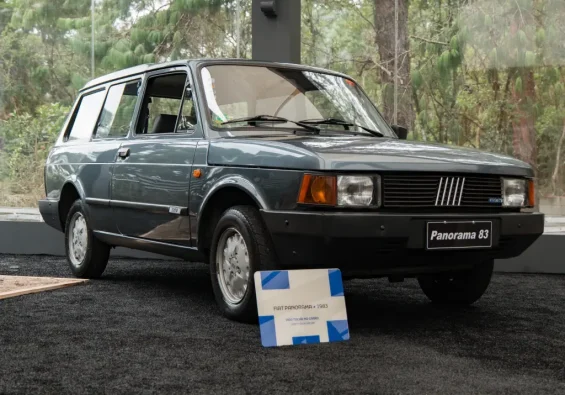
The technological contrast is another high point: the mechanical simplicity of Volkswagen’s air engines (present in the Kombi and Variant) shares space with the French sophistication of the Citroën DS Break and its revolutionary hydropneumatic suspension. The timeline advances through the 1980s and 1990s with sales successes such as the Ford Belina, the Fiat Panorama and the Volkswagen Parati GTi, a pioneer in electronic injection among station wagons.
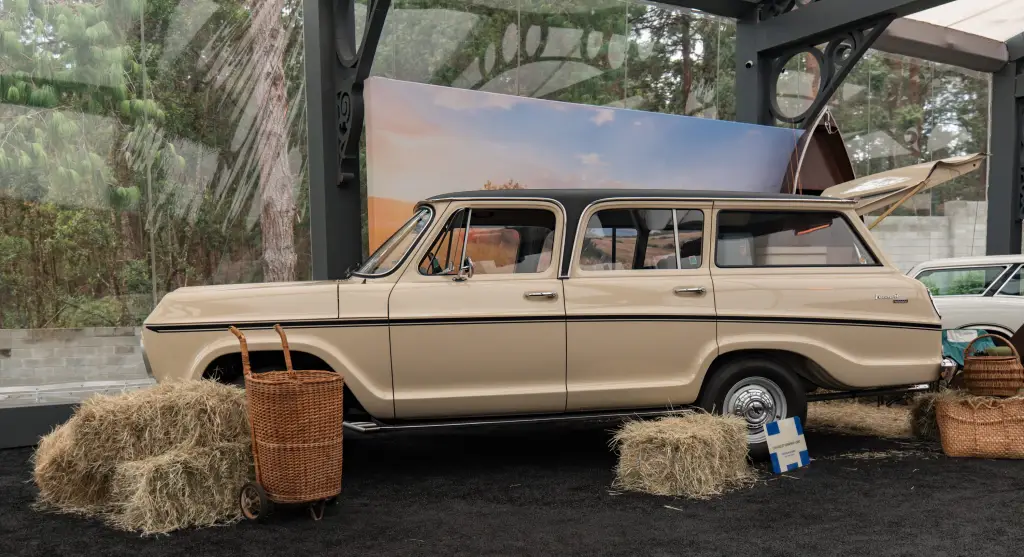
The route ends by addressing the cultural transition that sealed the fate of the station wagons. The presence of a Chevrolet Veraneio symbolizes the missing link: a classic that, with its robust size and cargo capacity, anticipated the desire of the modern consumer that would culminate in the current hegemony of SUVs.



