Automakers justify complexity with weight distribution, but simple repairs on Mercedes and Dodge models now require workshop hours
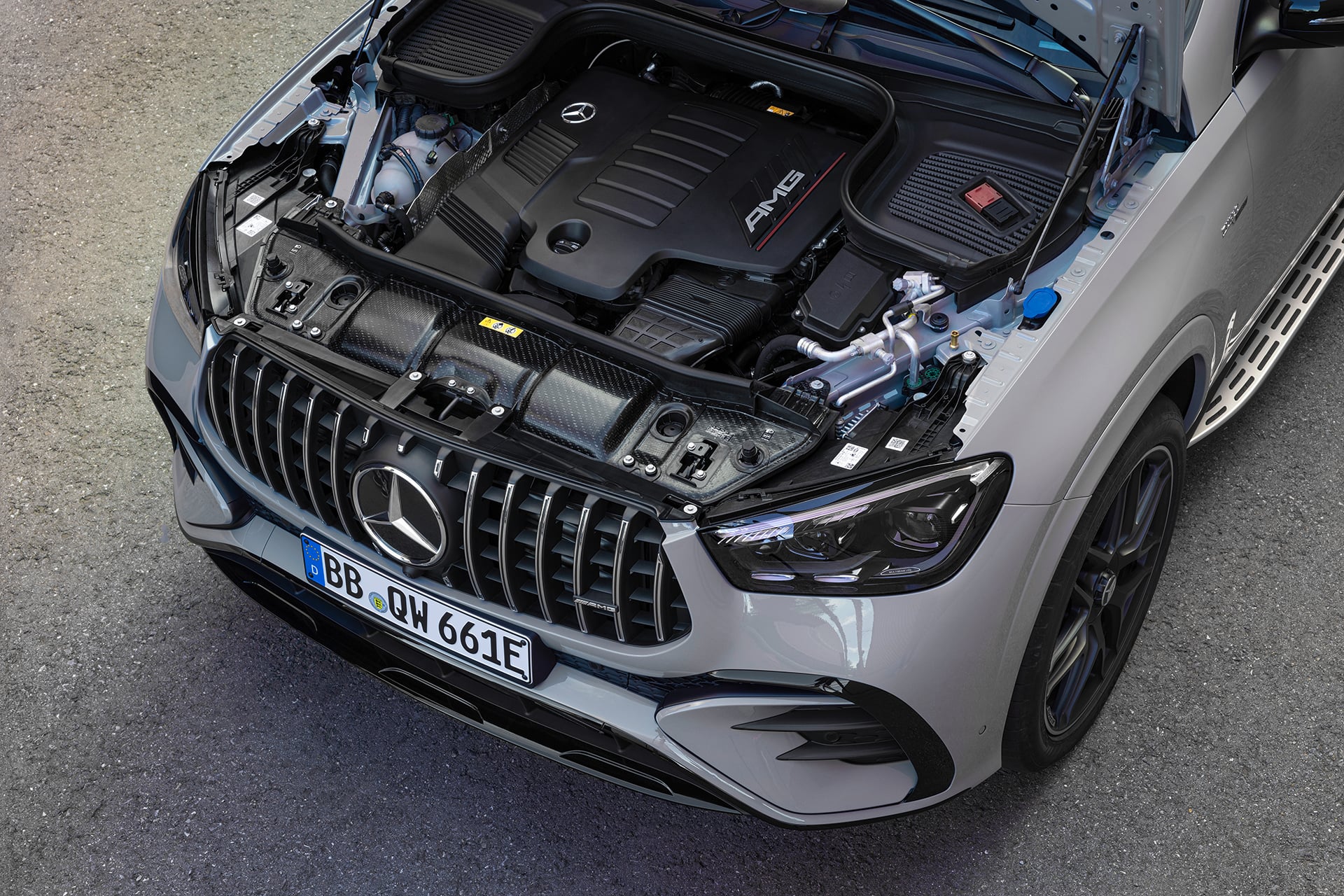
The ritual of opening the hood, loosening two cables, and changing the car’s battery in ten minutes has become a distant memory in the modern automotive industry. What was once basic maintenance, accessible to the owner of the vehicle himself in the garage at home, has evolved into a complex operation that requires specific tools, hours of labor and, in extreme cases, the partial disassembly of the interior of the car.
The most critical example of this trend is seen in Mercedes-Benz luxury SUVs, such as the GLE and GLS lines. In these vehicles, the 12V battery is not in the engine safe, but hidden under the driver’s seat. Access requires removing the seat, disconnecting complex wiring, lifting carpet, and dismantling ventilation ducts.
The project creates an engineering paradox: to access the screws that release the seat, it is necessary to move it electrically; If the battery is completely dead, the seat does not move, making the change an even greater technical challenge.
SEE ALSO:
The practice of allocating the battery outside the engine vault is not exclusive to the Germans, nor is it an absolute novelty. Popular models in the used market, such as the Dodge Journey and the Fiat Freemont, position the part behind the bumper, in front of the left front wheel. To perform the change, it is necessary to lift the car, remove the wheel and remove the lining from the wheel arch — a laborious process that often results in broken plastic clips.
Automakers defend these choices with technical arguments. Removing the battery from the front frees up precious space for emission control systems and electronic modules, as well as assisting in weight distribution, balancing the vehicle’s dynamics.
However, critics point out that the growing complexity also serves to keep the driver away from independent maintenance. By transforming a consumable change into a heavy service, the industry forces the owner to resort to dealerships or specialized workshops, making the vehicle more expensive to own in the long run.



