Sector grows for the third year in a row driven by exports, but high interest rates and the advance of Chinese imports challenge the national industry
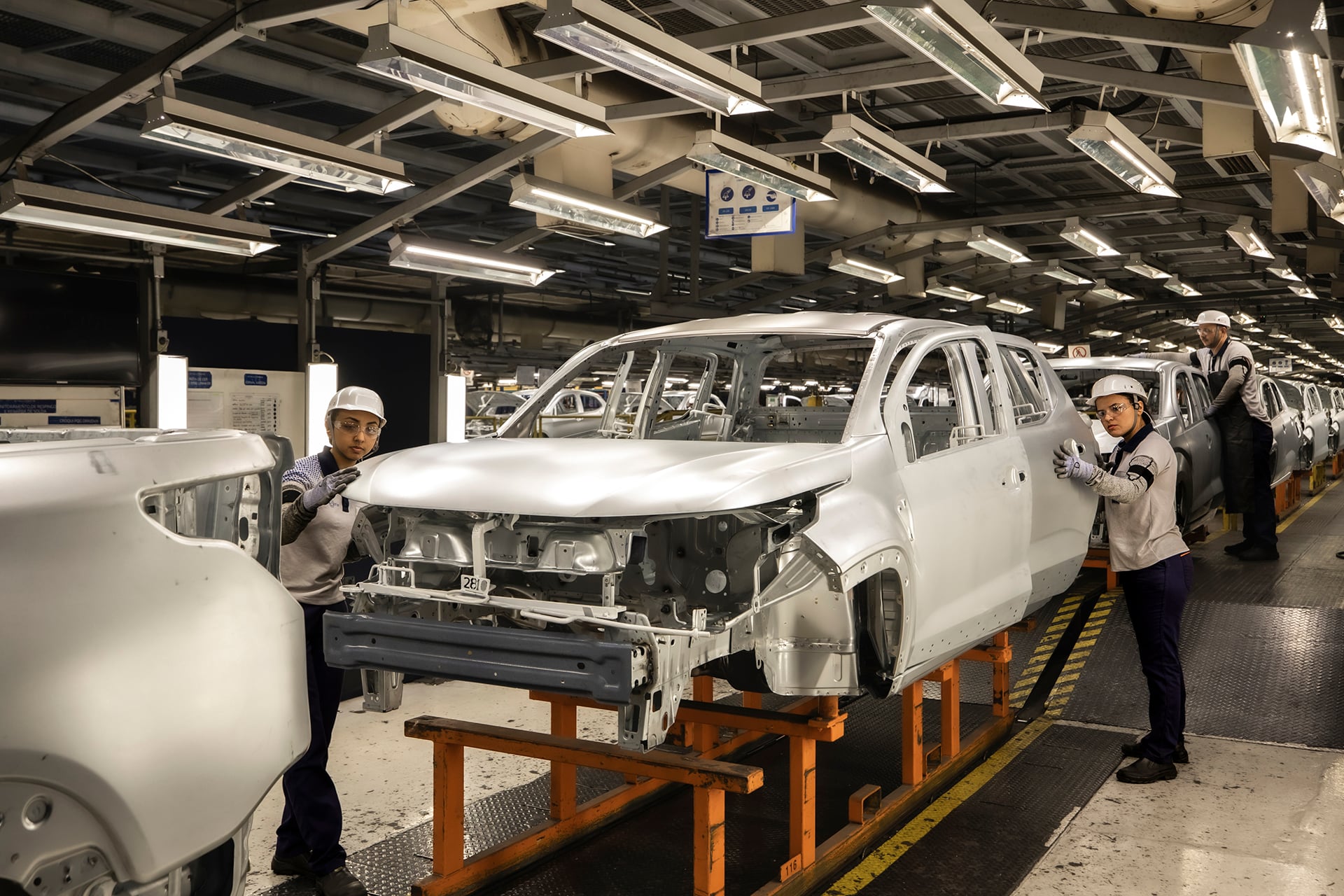
The Brazilian automotive industry ended 2025 with growth in production and sales for the third consecutive year, resisting the economic slowdown in the second half of the year and the high level of the basic interest rate.
According to a balance sheet released by Anfavea (National Association of Automotive Vehicle Manufacturers), production totaled 2.644 million units in the year — an increase of 3.5% compared to 2024. The result was mainly driven by the foreign market: exports soared 32.1%, totaling 528.8 thousand vehicles shipped, which helped to offset the slower pace of domestic consumption.
In the domestic market, registrations advanced 2.1%, reaching 2.690 million units. The volume, although positive, remains about 100 thousand vehicles below the level of 2019, the pre-pandemic period. December’s performance, inflated by aggressive stock burn promotions by automakers, was decisive in ensuring the closing in the black.
SEE ALSO:
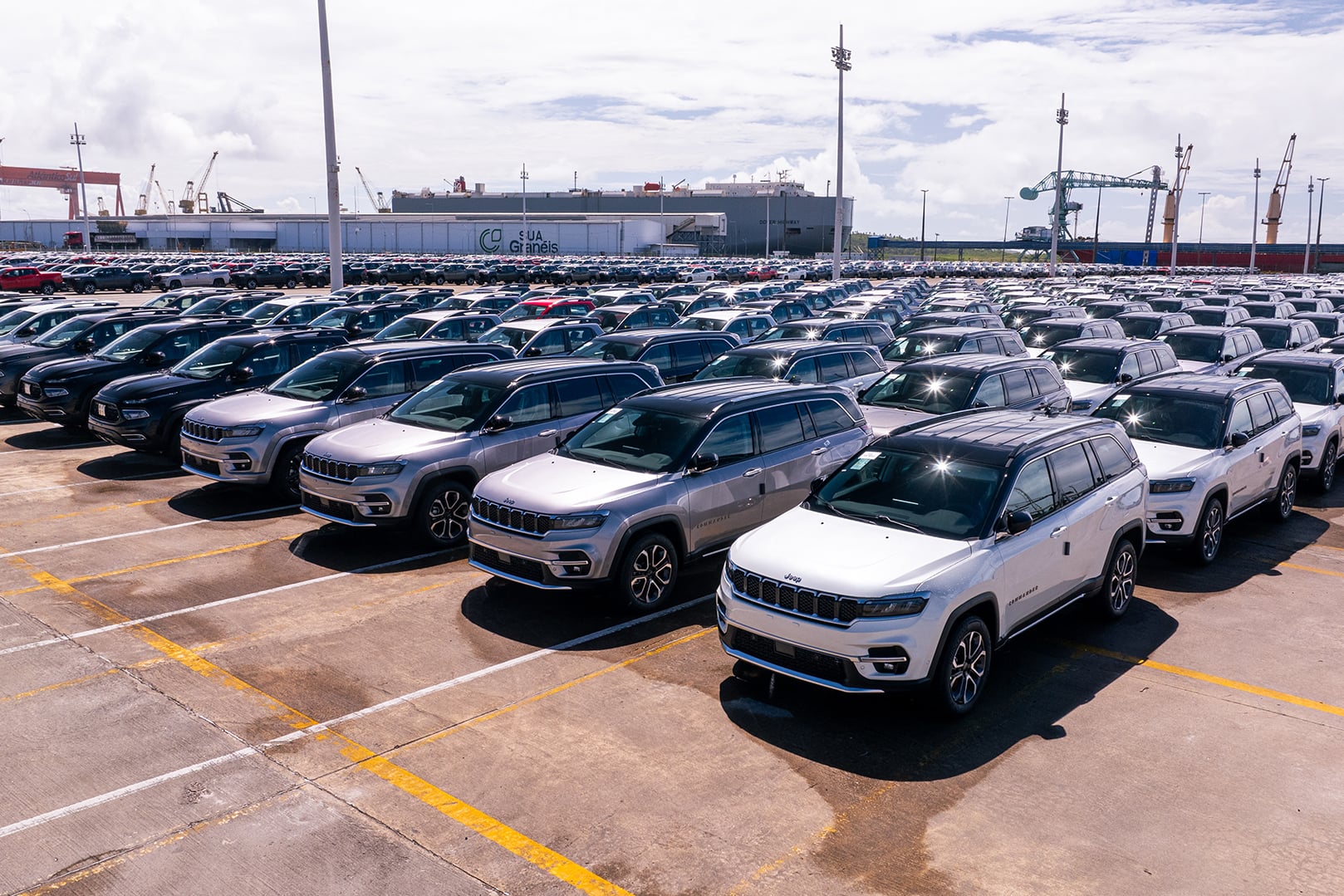
For 2026, the entity projects a moderate expansion of 3.7% in manufacturing, aiming to reach 2.741 million units. The expectation is that growth will be concentrated in light vehicles, while the heavy segment is still looking for recovery.
The restricted credit scenario, however, severely penalized the truck segment, which is more sensitive to financing. The category recorded an overall retraction of 9.2%, with a 20.5% drop in sales of heavy models.
Igor Calvet, president of Anfavea, classified the projections for 2026 as a “contained optimism”. According to the executive, the maintenance of the Selic rate at high levels and global geopolitical uncertainties continue to hinder a more robust recovery of the industry.
Another highlight of the balance was the structural change in imports, which grew 6.6%. For the first time in the time series, vehicles coming from outside Mercosur and Mexico — with China playing an absolute role — accounted for the majority of imports sold in the country. Chinese models accounted for 37.6% of the 498 thousand units brought from abroad.
For this year, the trend is to curb this massive entry of Asian electrified vehicles, reflecting the start of local production of these brands and the gradual recomposition of the Import Tax, whose next stage comes into force in July.



