2026 rules remain unchanged, but taxpayers should prepare for the gradual transition of federal and state taxes next year
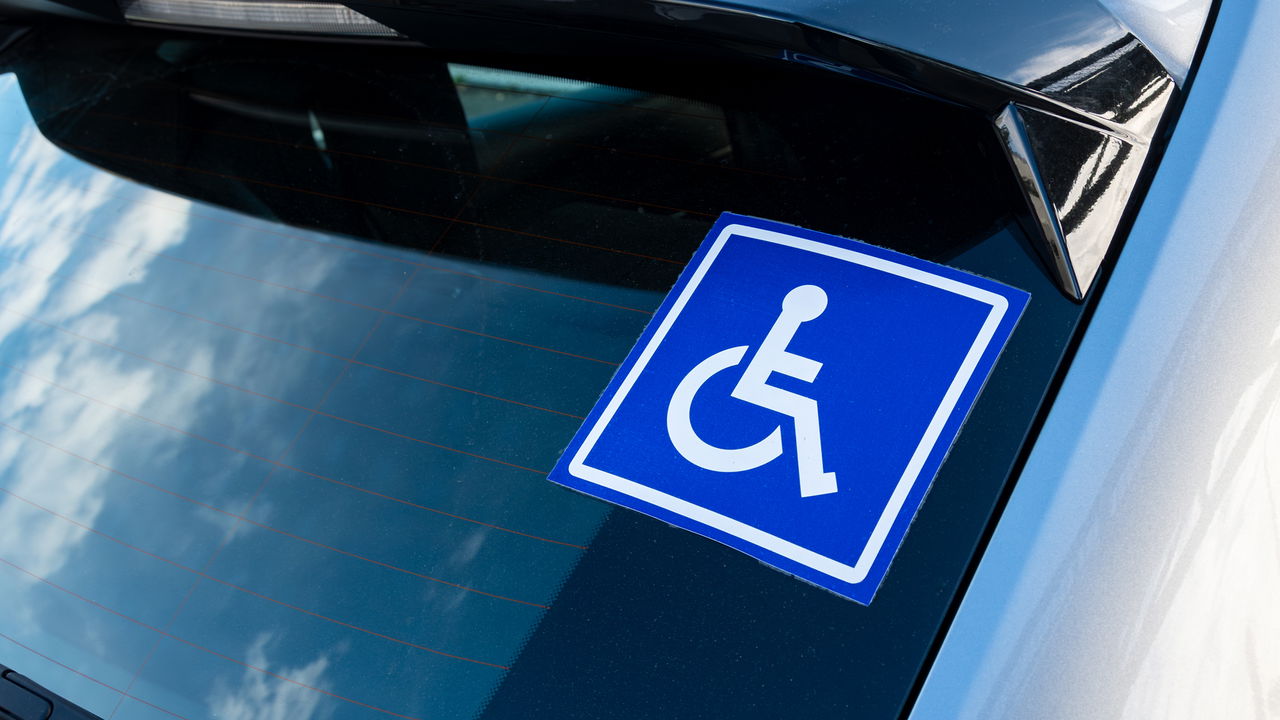
Despite the sanction of the tax reform regulation by President Luiz Inácio Lula da Silva, the process of purchasing vehicles for people with disabilities (PwD) will not undergo immediate changes. The current exemption rules remain in place throughout 2026, with the transition to the new tax model expected to begin only in January 2027.
In practice, the exemption from the IPI (Tax on Industrialized Products) remains governed by the current legislation until December 31 of this year. This means that the ceiling of R$ 200 thousand for the granting of the benefit remains valid, without anticipation of the new rules. Anyone who acquires a vehicle now, including electric models, is subject to the already known rules, without reduction or expansion of rights at this stage.
SEE ALSO:
In the case of ICMS, a state tax, the scenario is also one of maintenance, but with a calendar caveat. The Confaz (National Council for Finance Policy) agreement that guarantees total exemption for cars up to R$ 70 thousand (and partial exemption up to R$ 120 thousand) is valid until April 30, 2026. It will be up to the states to decide whether to extend or adjust these ranges — a process independent of the federal tax reform.
The same principle applies to the IPVA. As it is a state and non-cumulative tax, it is not directly affected by the unification of taxes on consumption. Those who have already obtained the exemption for 2026 maintain the benefit, subject to the local rules of each federation unit.
The structural changes will occur, in fact, at the turn of 2027, when the new IBS and CBS taxes come into play. The sanctioned law ensures the continuity of PCD rights, establishing a new staggering for the future: total exemption for vehicles with a value of up to R$ 100 thousand and proportional exemption (only on the difference) for models valued between R$ 100 thousand and R$ 200 thousand. Until then, the current rule prevails.



