Change led by the Apple Ads division will allow establishments to pay to appear at the top of searches; see what changes
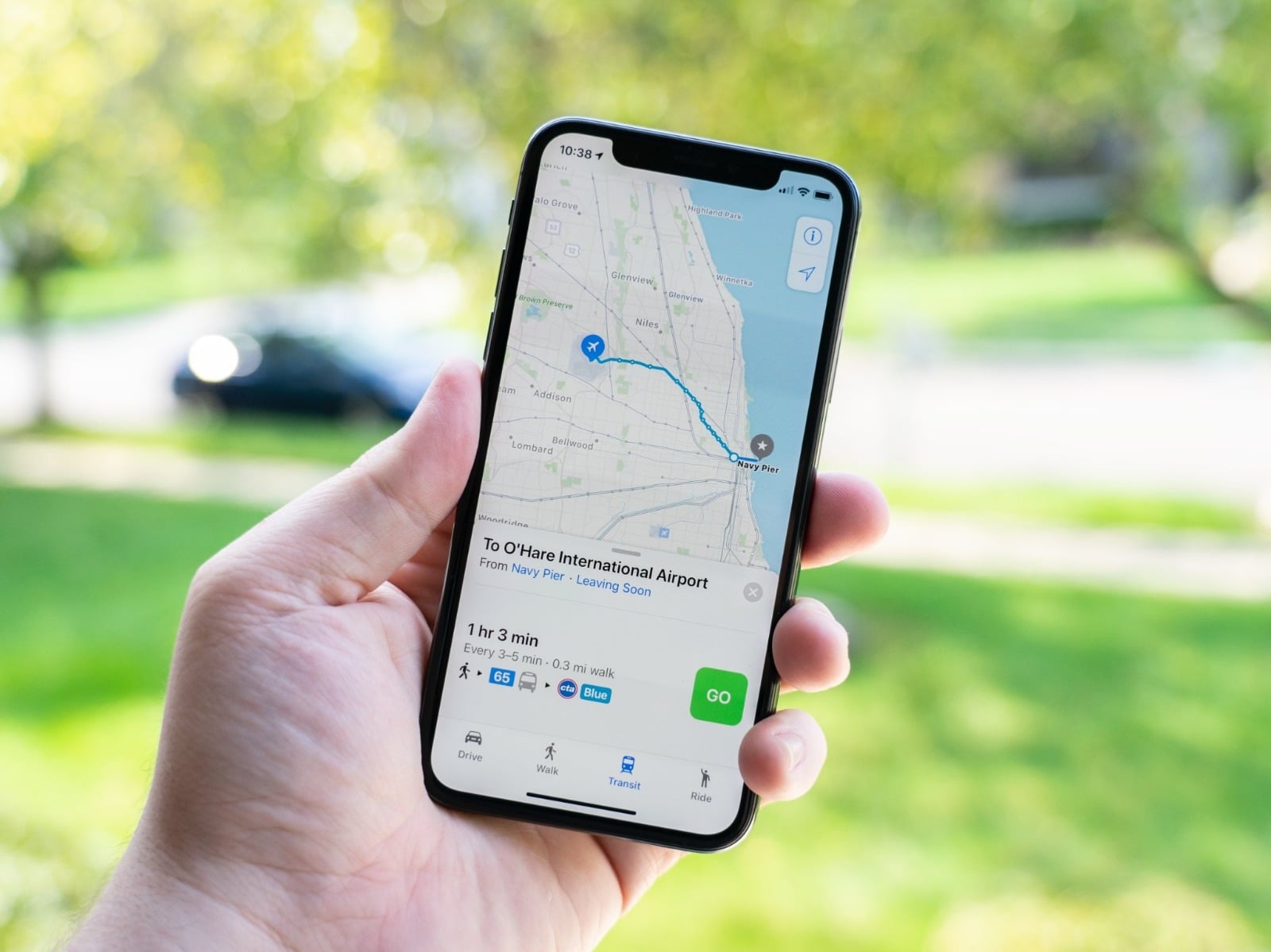
Apple plans to implement displaying ads directly in its maps app as early as 2026, according to Bloomberg. The initiative is a central part of a strategy to diversify the company’s revenue sources and offset regulatory challenges that put pressure on traditional areas, such as the App Store. The move signals a change in stance by the tech giant, which seeks to extract more value from its ecosystem of services in a scenario of technological transition.
SEE ALSO:
The model adopted by the Cupertino company will be based on an auction system, following the logic already practiced by Google Maps and Yelp. In practice, local retailers and brands will be able to bid for specific search terms, such as “coffee shop”, “gas station” or “gym”. The property that offers the most value for the click or exposure will appear at the top of users’ search results.
The ads are expected to begin circulating during the summer in the Northern Hemisphere, between June and August 2026. As part of its integration strategy, the service should cover not only iPhones, but all the brand’s devices that use the native or web version of the company’s maps. Industry experts point out that the move could generate billions in annual revenue, helping Apple achieve ambitious goals for its services division.
The change in Maps is a key piece of a larger movement led by Todd Teresi, Apple’s vice president of advertising. The division, now renamed Apple Ads, reflects ambitions that go far beyond the app store. Currently, the company already uses sports broadcasts, such as those of Major League Soccer (MLS) on Apple TV, to generate advertising, in addition to implementing constant improvements to ads in the News and Podcasts apps.
While Apple reiterates its commitment to user privacy, the insertion of ads into everyday utility tools marks a new phase for the company. Analysts indicate that investor pressure for continued growth in services has outweighed the aesthetic purism that has historically defined the brand’s software. The challenge now will be to balance aggressive monetization with the user experience that has retained millions of customers around the world.



