Images registered in the patent office show that Fiat will unify its global models; see how the successor to the Argo should look in Brazil
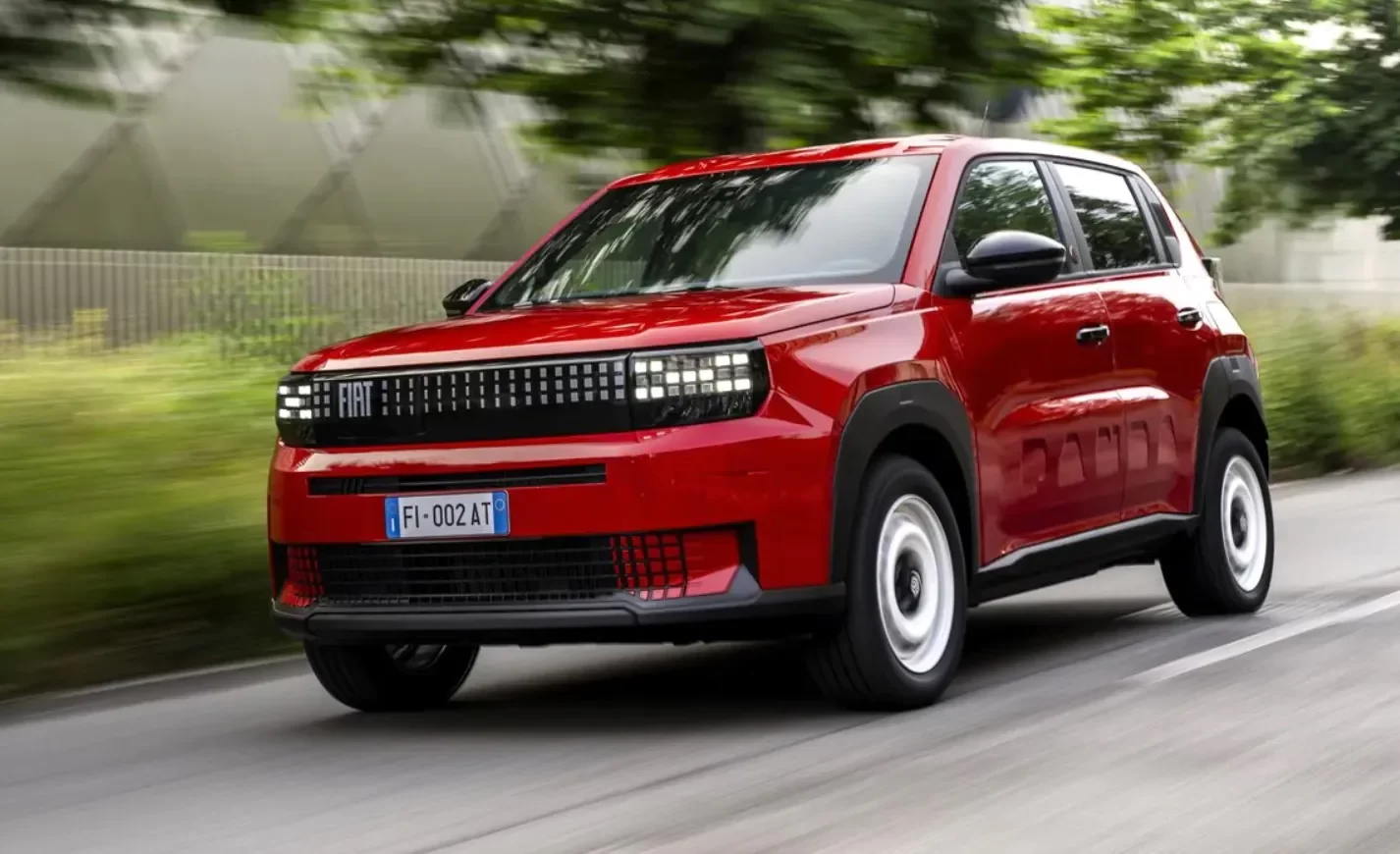
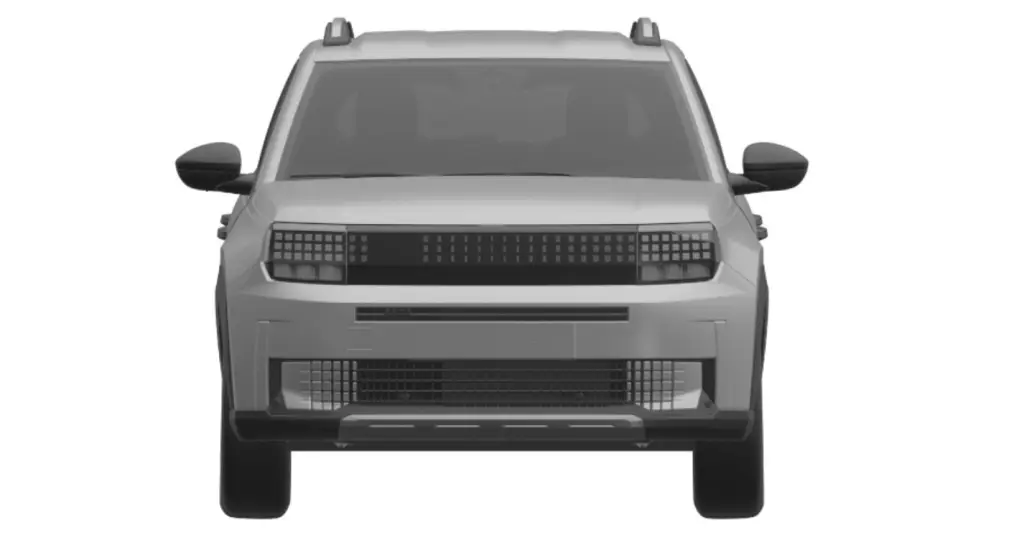
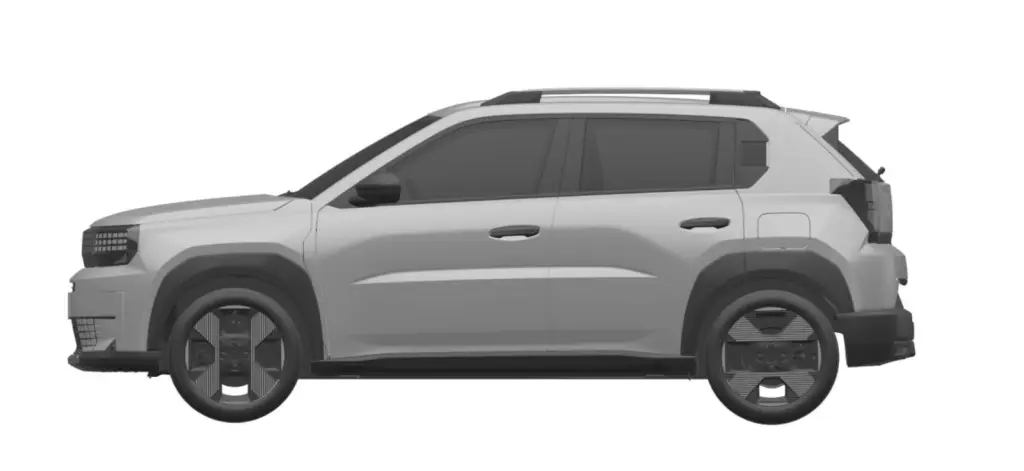
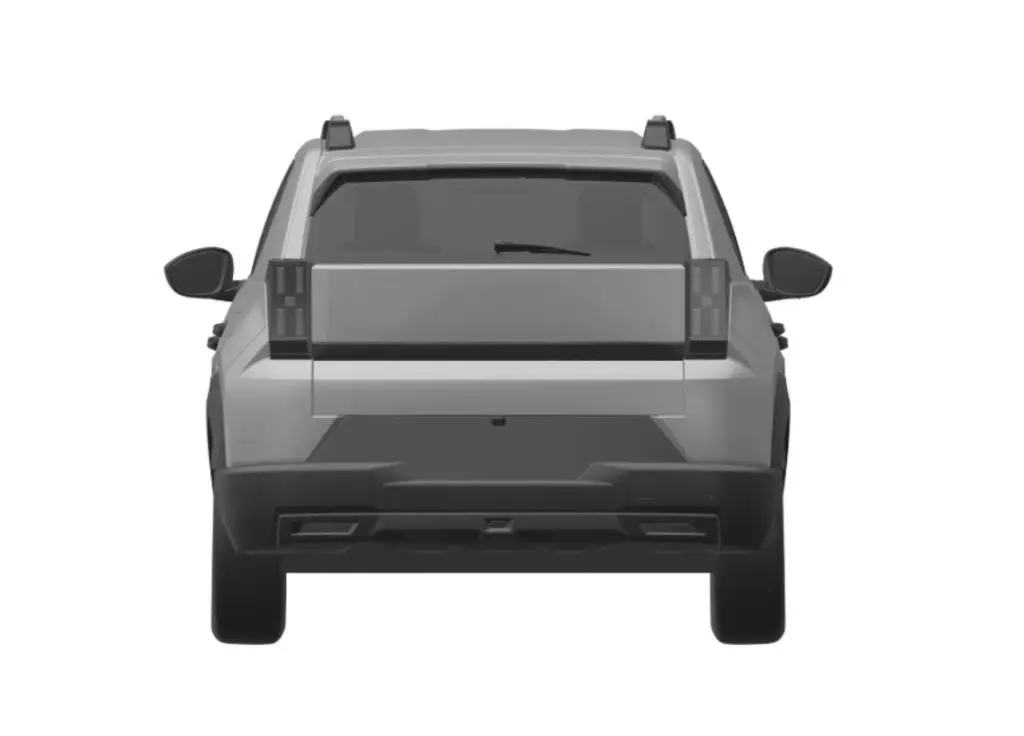
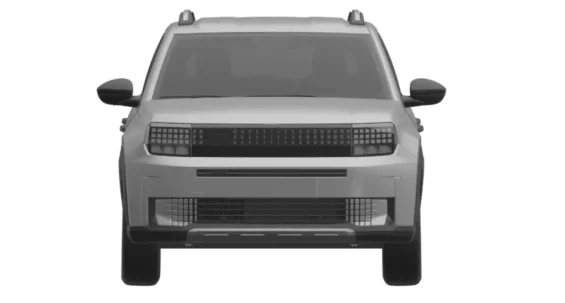
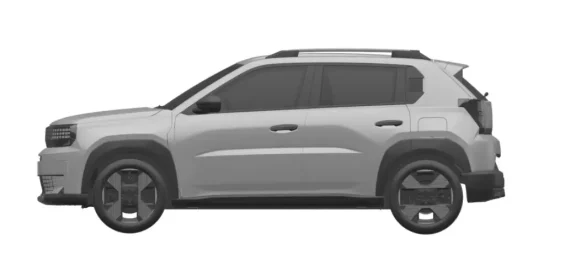
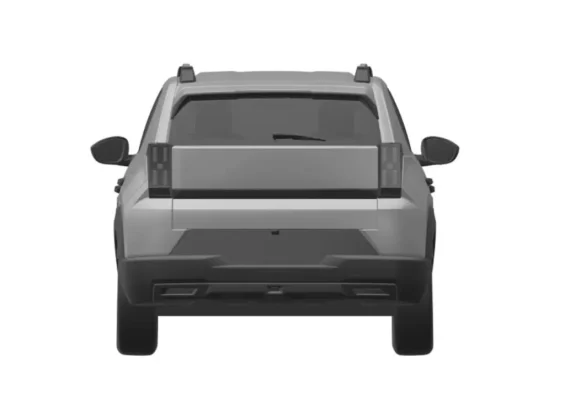
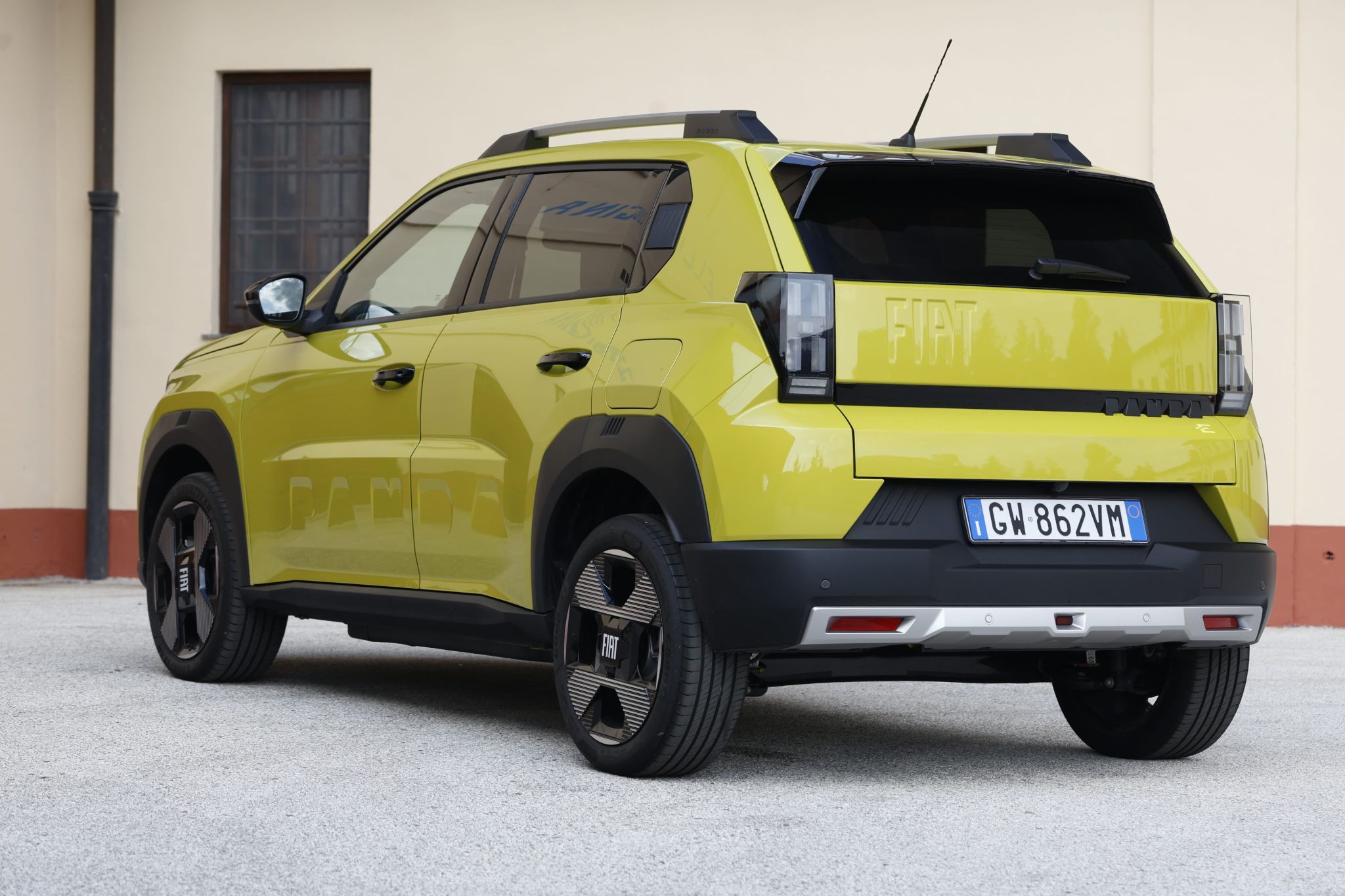
Fiat continues to work on the renewal of its main representative in the hatchback segment entering Brazil. It is the next generation of the Fiat Argo, scheduled to debut in the coming months and whose design was revealed through patent registrations at the National Institute of Industrial Property (INPI). The images reinforce what the market speculated: the Brazilian model will be, visually, a faithful reflection of the European Fiat Grande Panda.
The registration, made in early March, may end the mystery about the project’s aesthetic identity. Although the name “Argo” should be kept due to the brand’s strength in the country, the vehicle breaks with the previous design language. The new hatch adopts a robust and geometric aesthetic, characterized by signature pixel-shaped headlights and raised taillights. It is the same look as the new Fiat Grande Panda launched in Europe, with elements that refer to the heritage of Giorgetto Giugiaro’s first Panda — cousin of the Fiat Uno launched in 1980.
SEE ALSO:
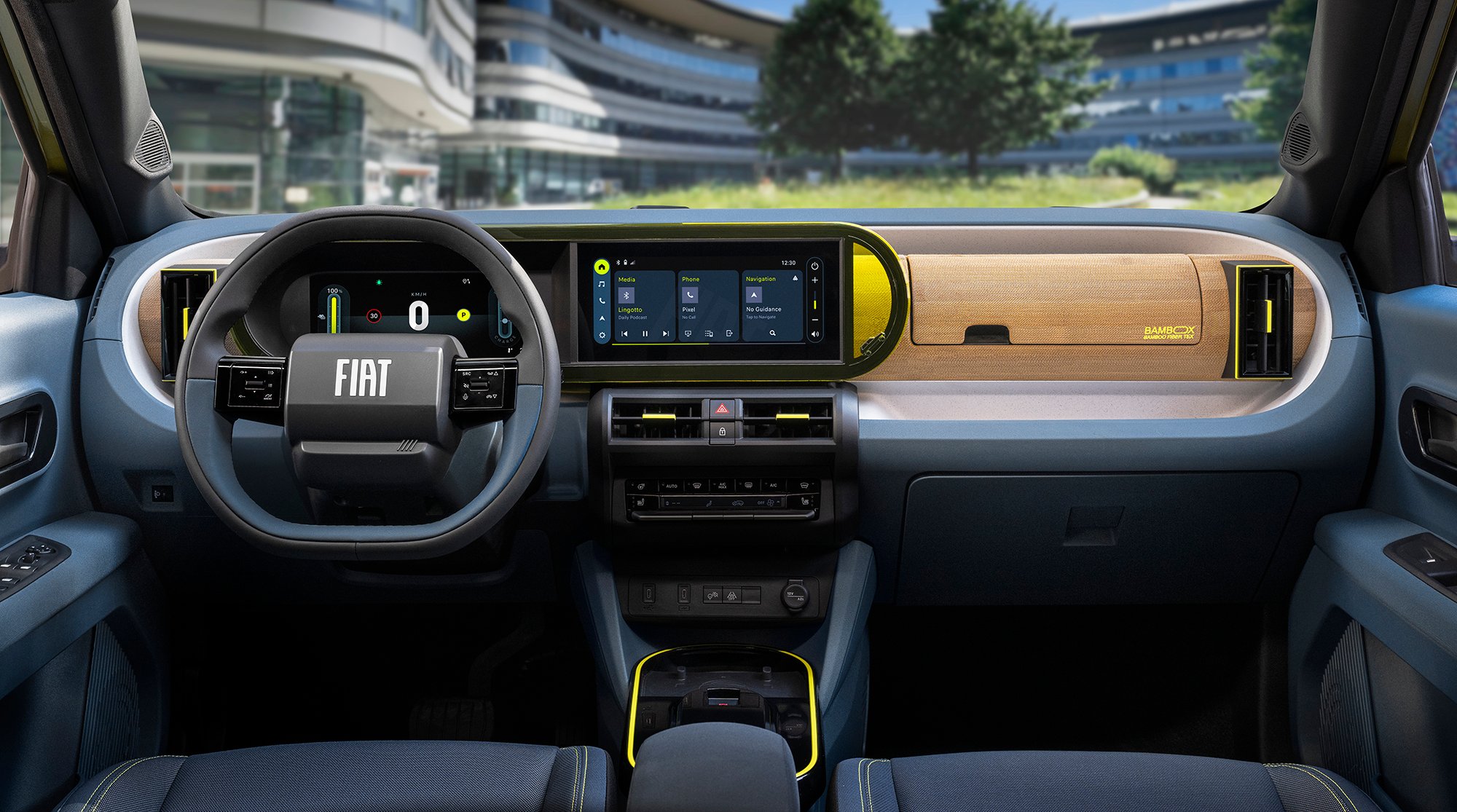
Built on the STLA Smart platform — the same one that underpins the current Citroën C3 — the new Argo shares structural components, such as the mirrors and suspension architecture. The interior, although not yet detailed in the Brazilian records, should follow the European trend of colored panels and floating screens for instruments and multimedia, abandoning the rounded lines of the current model in favor of a rectangular and modular layout.
Mechanically, Fiat is betting on a gradual transition. According to speculation, the entry-level versions will preserve the 75 hp 1.0 Firefly engine, focused on value for money. The top-of-the-line configurations should introduce the 1.0 turboflex engine associated with a 12V mild hybrid system and CVT transmission, seeking energy efficiency. With a wheelbase of 2.54 m, the model promises significant gains in interior space, positioning itself as a global product for Latin America, Africa and the Middle East.