'Free flow' system replaces physical squares with electronic gantries; the fee will be divided by direction and payment can be via Pix
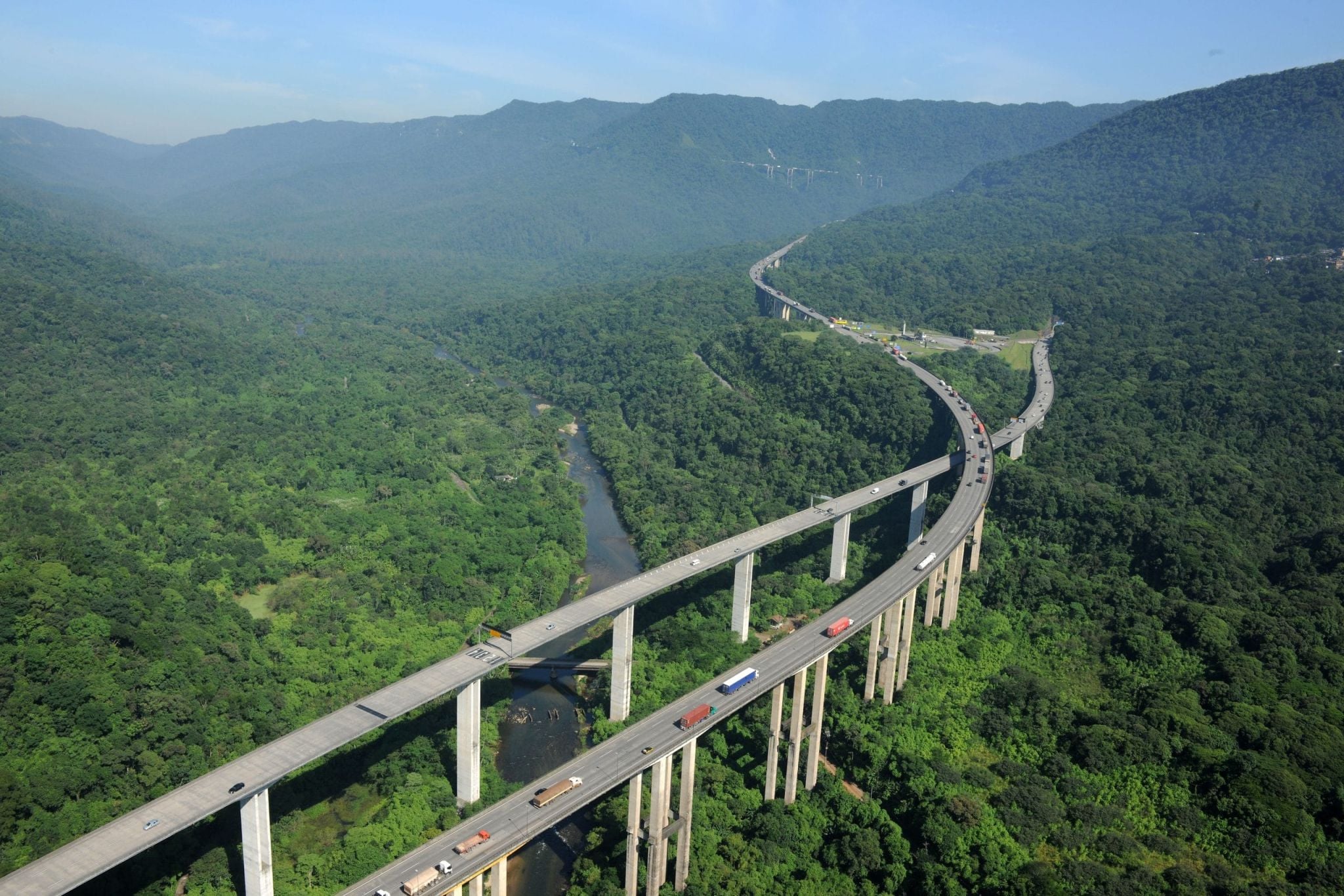
The route between São Paulo (SP) and Baixada Santista will undergo its biggest operational transformation in decades. The Anchieta-Imigrantes System (SAI) will begin the transition to the automatic electronic collection model, the so-called free flow, eliminating the need for stops at toll plazas.
The physical implementation of the technology began this Saturday (7), with the installation of the first reading portico at km 33 of the Anchieta Highway. Subsequently, by the end of February, a second piece of equipment will be positioned at km 29 of the Imigrantes Highway. According to Artesp (São Paulo State Transportation Agency), this is an adaptation phase: the effective collection via gantries and the complete deactivation of the physical squares at km 31 (Anchieta) and 32 (Imigrantes) will only occur in July 2026.
SEE ALSO:
The system replaces physical locks with a technological structure composed of OCR (Optical Character Recognition) cameras, laser sensors and antennas. For vehicles that already have tags from automatic payment operators, the transition will be imperceptible: the charge will be debited directly from the invoice, without the need for a sudden reduction in speed.
For occasional drivers or those without a tag, the model requires a change in behavior. The payment must be made actively through the “Siga Fácil SP” platform. The user will have to inform the vehicle’s license plate and pay the debt via credit card, debit card or Pix. Failure to pay within the legal deadline constitutes a serious traffic violation, subject to a fine.
The change also alters the logic of the fare. The current amount of R$ 38.70, charged in full in a single direction, will be fractional. With free flow, the driver will pay R$ 19.35 per gantry, that is, there will be a charge both on the descent and on the ascent of the mountain. According to the regulatory agency, the central objective is fluidity: without the “stop and start” of the gates, a significant reduction in the historical congestion of the plateau stretch is expected.



