1360 kW system has liquid-cooled cables and smart technology that saves the power grid at peak times.
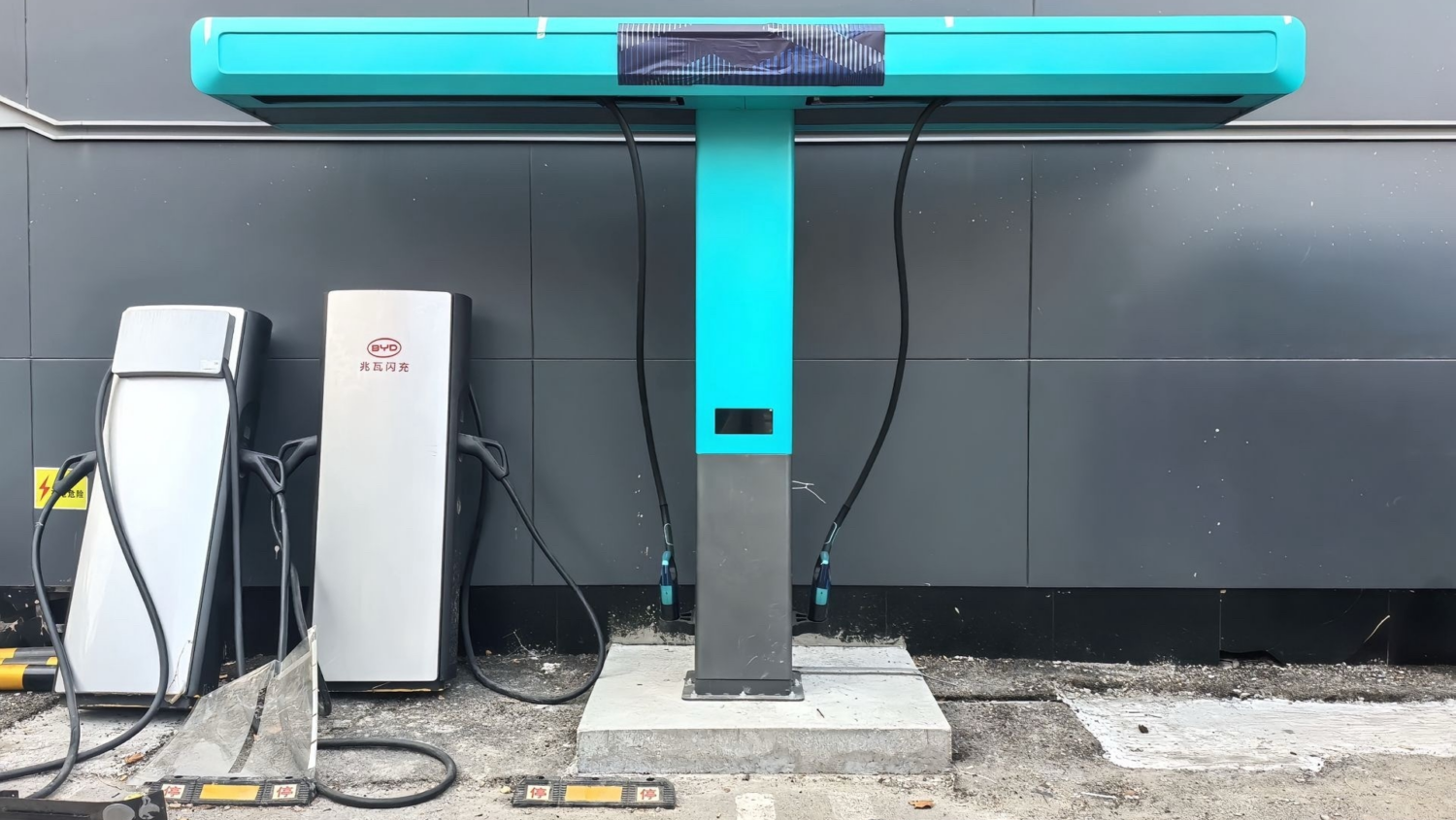
China’s BYD has started the large-scale deployment of its new network of ultra-fast chargers, called Megawatt Flash Charging Piles. The main objective of the infrastructure offensive is to drastically reduce the recharging time of electric vehicles, bringing the experience closer to the practicality of a conventional supply with fossil fuels.
Presented by the manufacturer as the first fully mass-produced liquid-cooled ‘megawatt-class’ charging terminal for passenger cars, the equipment impresses with its numbers. The system was designed around three “mil” pillars: it operates with a voltage of 1000V, a current of 1000A and a nominal power of 1000kW, and can reach peaks of up to 1360kW. In practice, under ideal conditions, the technology is capable of recovering two kilometers of autonomy per second, which translates into about 400 kilometers of range in just five minutes plugged in.
SEE ALSO:
To withstand such an energy load without overheating, the charger uses an advanced liquid cooling system integrated not only with the main terminal, but also with the charging cables themselves. The physical design of the stations adopts a blue “T” shape and brings an ergonomic innovation: a system of suspended pulleys that neutralizes the weight of the cables, facilitating handling by the driver and preventing them from dragging on the ground. The equipment also allows the use of two guns simultaneously, independently or in parallel, to maximize the power received.
In addition to speed, the infrastructure stands out for its intelligence in energy management. The system has internal batteries that store electricity from the grid during the lowest tariff hours and release it at peak times. This compensation mechanism reduces the impact on the local electricity grid and ensures a continuous and stable supply of up to 1 MW.
The initiative marks a strategic shift for BYD, which until then focused on lowering the final cost of its cars to the detriment of expanding its own public charging network. With the arrival of electric vehicles equipped with batteries and very high performance electric architectures, the brand is now betting on infrastructure as a fundamental differential to attract new consumers.



