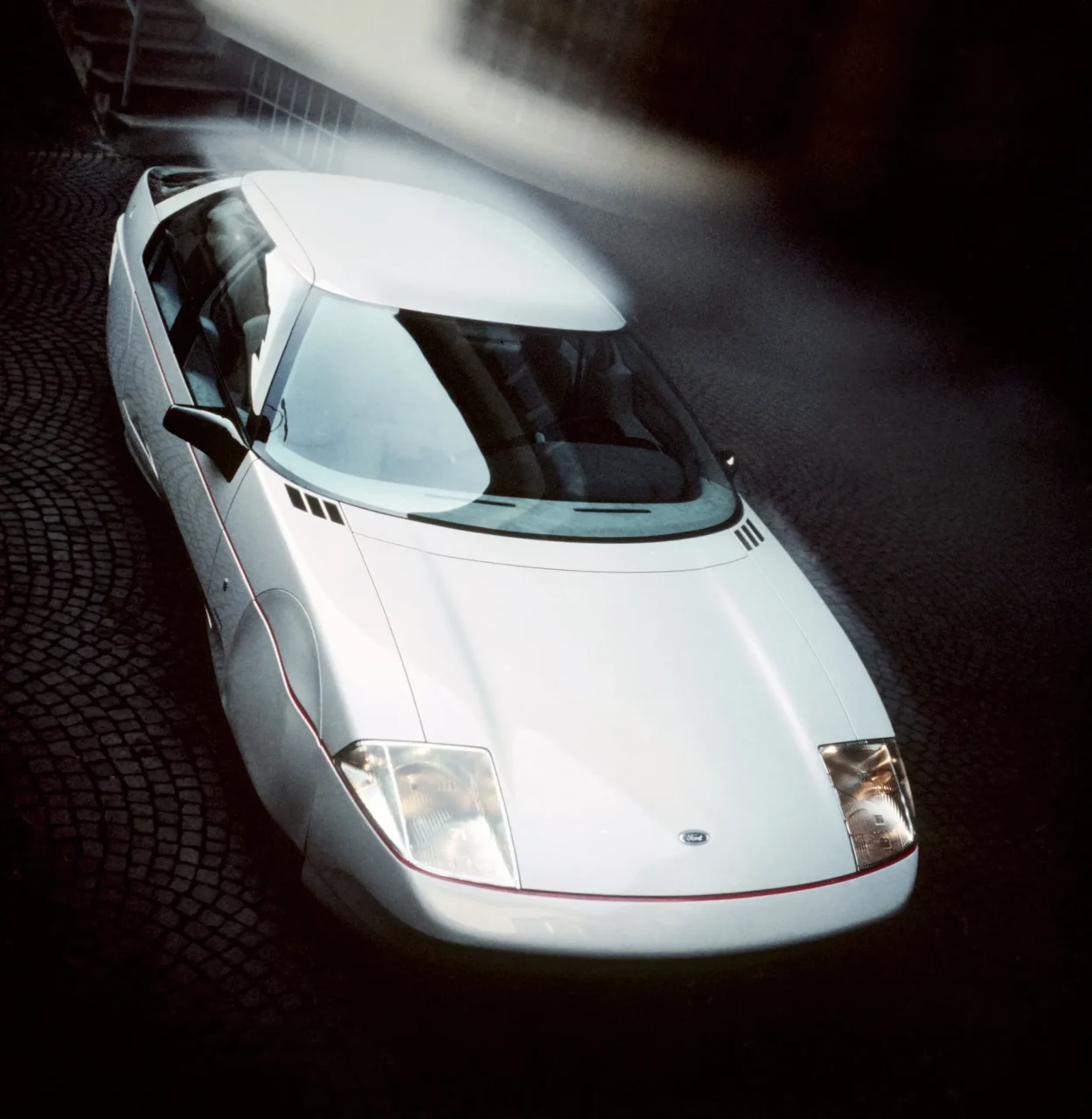
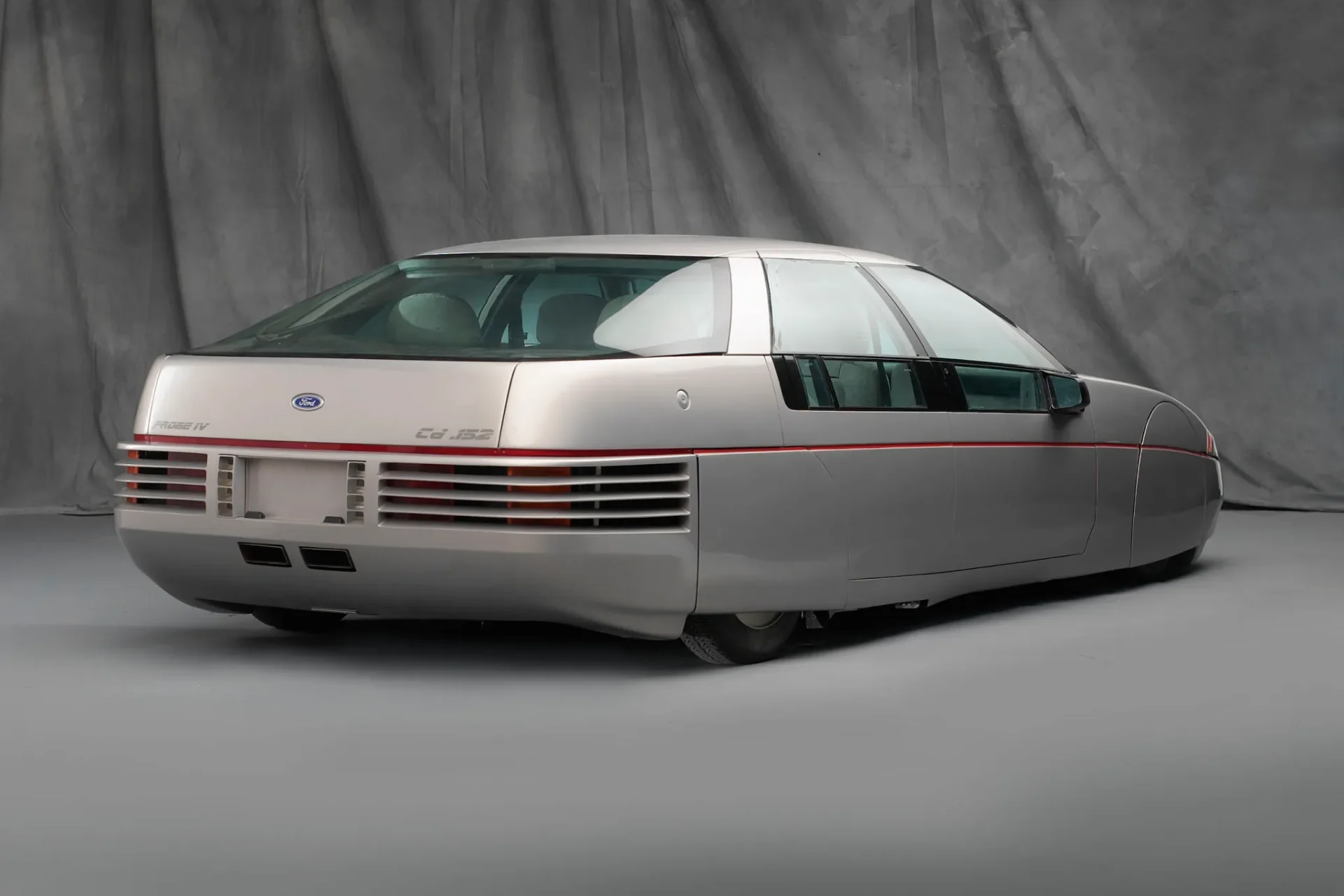
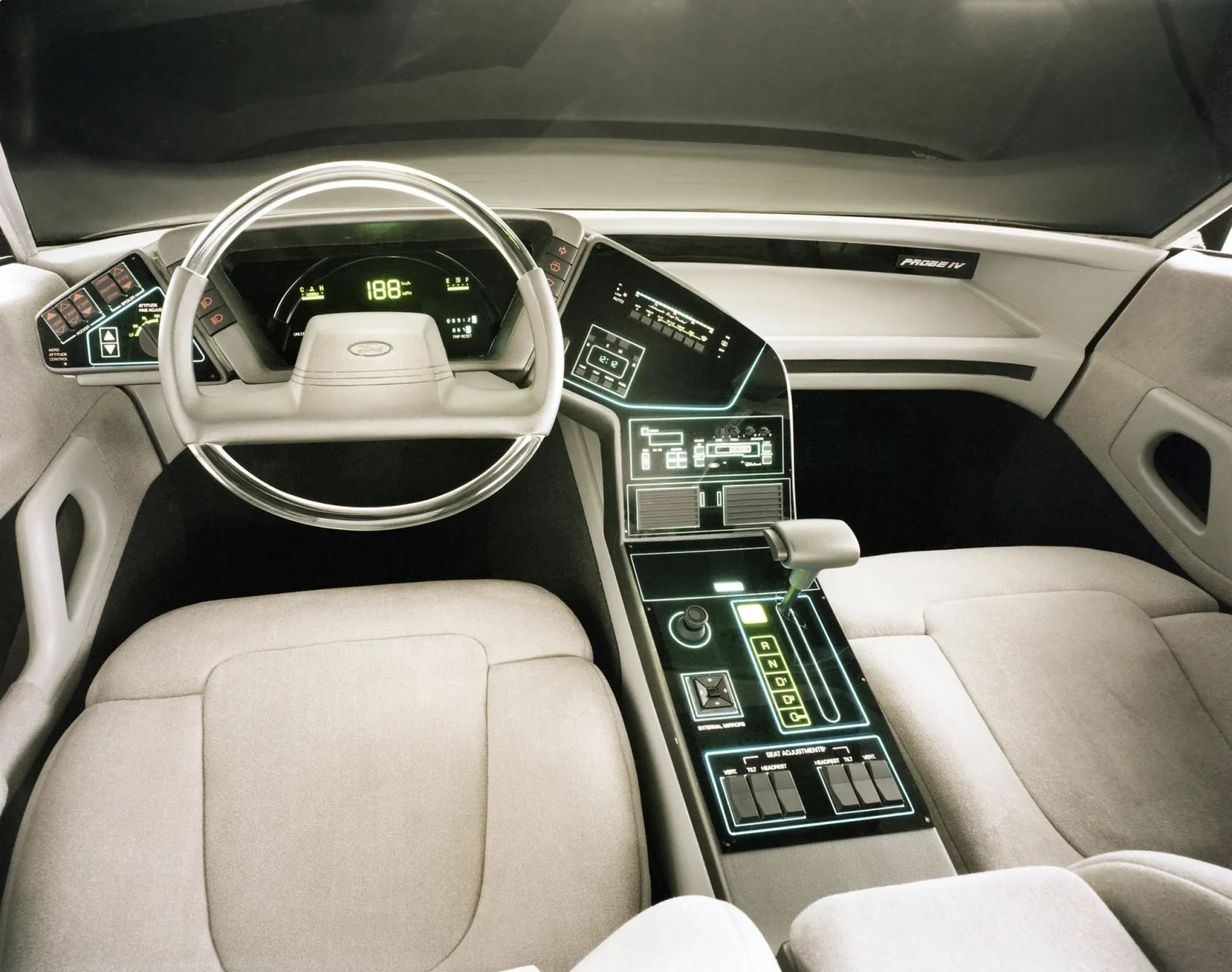
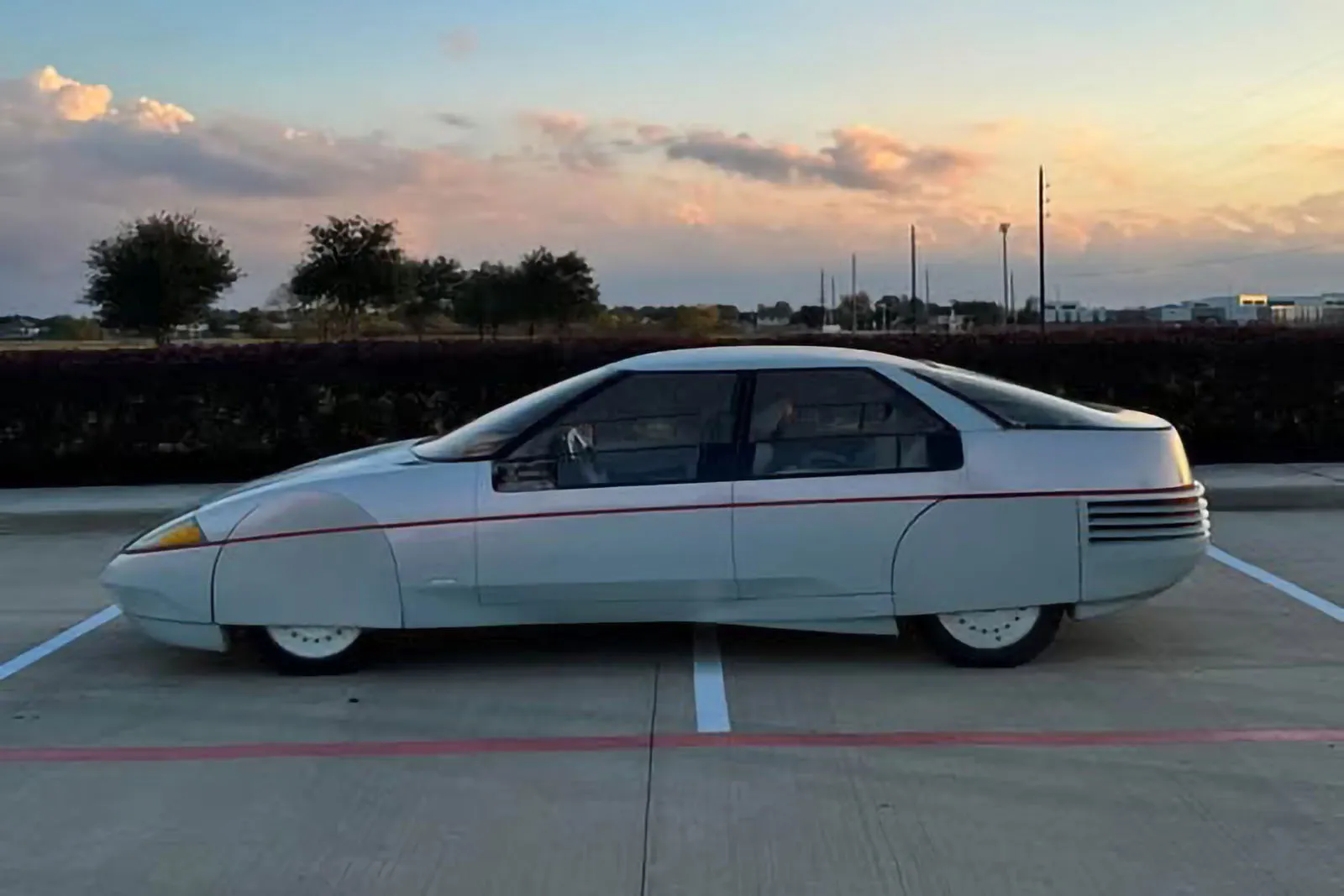
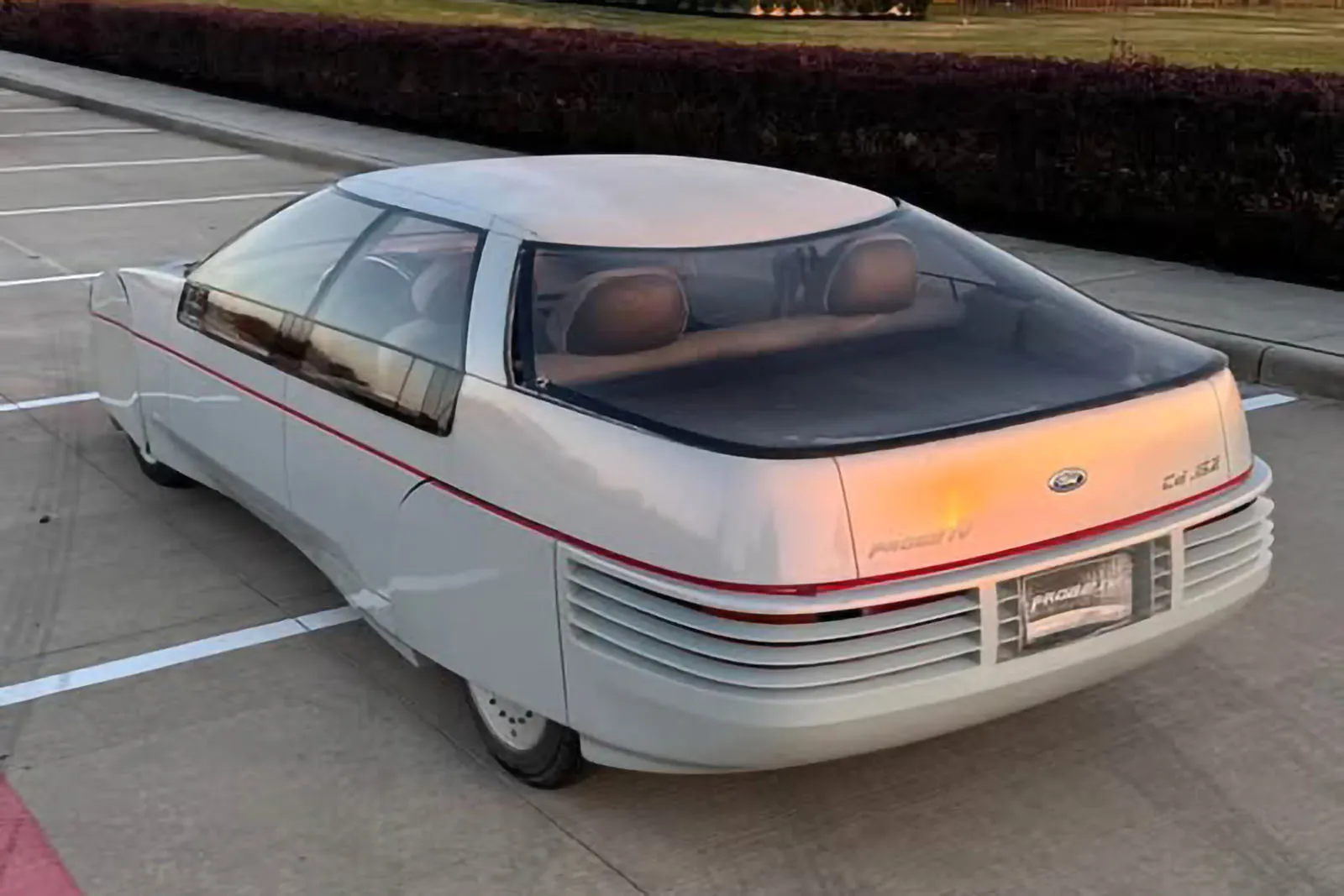
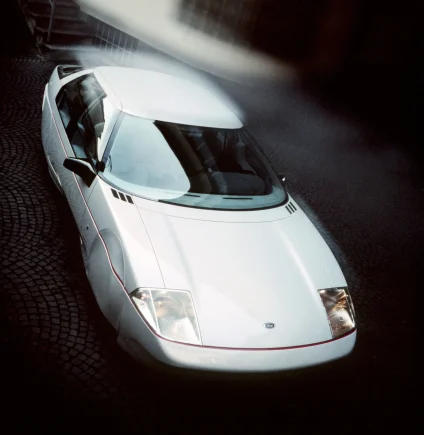
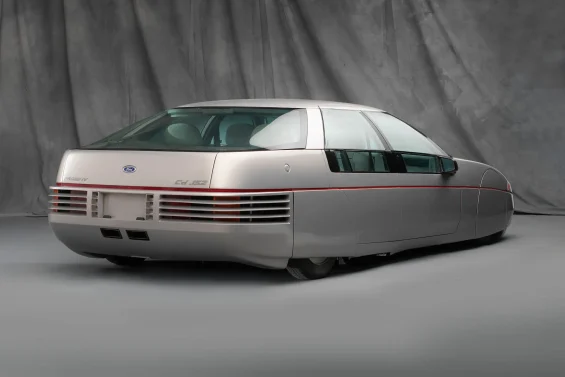
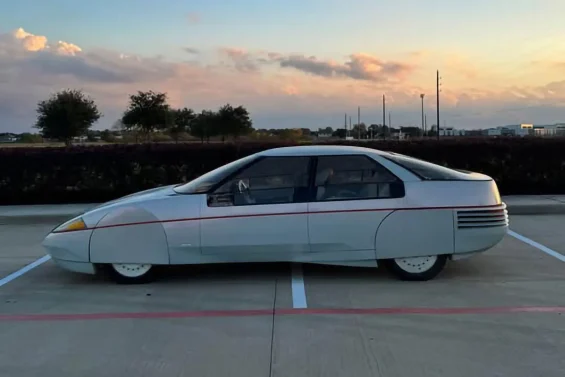
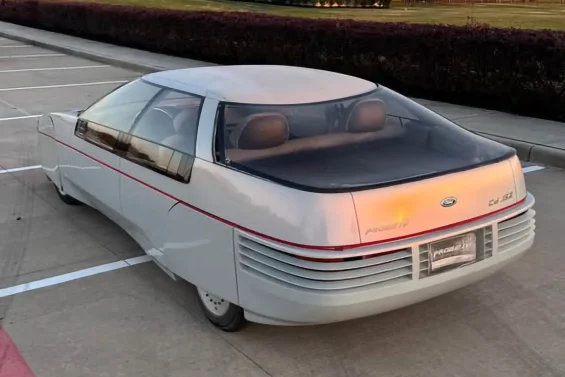
Developed by Ford Ghia, the Probe IV sought maximum aerodynamic efficiency and was the beginning of Ford's series of futuristic concepts

In the 1980s, several automakers ventured into futuristic designs and automobile innovation, and Ford was not left out of this race. In 1979, the automaker first presented the concept of the Ford Probe, one of the brand’s most daring cars at the time.
For a long time, it was believed that studies have been lost throughout history or have become museum artifacts; however, one of the prototypes of the 1983 Ford Probe IV was found for sale on Facebook Marketplace.
SEE ALSO:
Developed by the Ford Ghia segment, the Probe family would be the kick-off of a new way of thinking about automotive design. Based on the Fox platform (from the Mustang III), the central concept was to develop an economical car, with supercar proportions, to reduce air resistance and increase fuel efficiency. Thus, versions II and III were developed in the following years, the latter being inspired by the design of the Ford Sierra.
When the Probe IV was built, the Ghia had reduced its drag coefficient to 0.15, made purely to be super-fast and without any safety concerns. Despite appearing to be an exciting vehicle to drive, it had no engine or steering system, being just an aesthetically impressive car.
The mockup was built on a wooden frame, with steel subframes at the front and rear. The owner points out that there are some adjustments to be made and imperfections, as well as missing parts, such as a wheel hubcap, rearview mirrors and the damaged rear window. So, can you face it? Here there are those who already sell plaster and styrofoam cars.